Peregraf — A Turkmen politician is set to become governor of Kirkuk for the first time since 2003, marking a significant shift in the province’s power balance and a new political arrangement involving Kurdish and Arab factions.
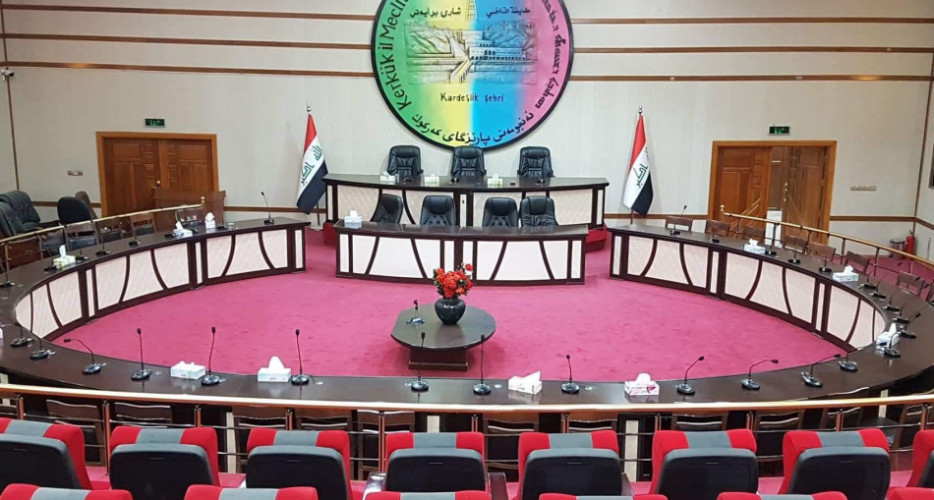
The Kirkuk Provincial Council is scheduled to meet at 12:00 PM on Thursday, April 16, 2026, to process the resignation of Rebwar Taha and elect a successor under a newly reached agreement.
The move follows a deal involving the Patriotic Union of Kurdistan, which previously held the governorship, and other political components in the province.
The Turkmen bloc, which holds two seats on the council, had earlier boycotted proceedings alongside the Kurdistan Democratic Party and part of the Arab bloc. Under the new agreement, however, the Turkmen are set to return to the council and assume the governorship.
Power-Sharing Arrangement
Rebwar Taha served as governor for 18 months following a political deal reached in 2024. According to sources familiar with the negotiations who spoke to Peregraf, the PUK will relinquish the governorship in exchange for several key positions within the local administration.
These include:
• Assistant Governor
• Director of Kirkuk Police
• District Mayor (Kaymakam) of Daquq
The arrangement reflects a broader effort to rebalance political representation among Kirkuk’s main ethnic groups.
Regional and Political Implications
The agreement is also seen as a step by the PUK toward improving ties with Turkey, which has long emphasized the political role of Turkmen in Kirkuk.
Ankara has consistently advocated for Turkmen representation in senior positions in the province. The appointment of a Turkmen governor is expected to align with those expectations and may influence regional dynamics.
Kirkuk’s current administration was formed following a deal on August 10, 2024, at Baghdad’s Al-Rasheed Hotel. That agreement brought together nine council members, including five from the PUK, three Arabs, and one Christian representative, while the council’s chairmanship was allocated to the Arab bloc.
With the latest deal, the political landscape within the council is shifting. The governing coalition is expected to expand to 11 members, while the opposition bloc will shrink to five, including two KDP members and three Arab representatives aligned with Rakan al-Jabouri.