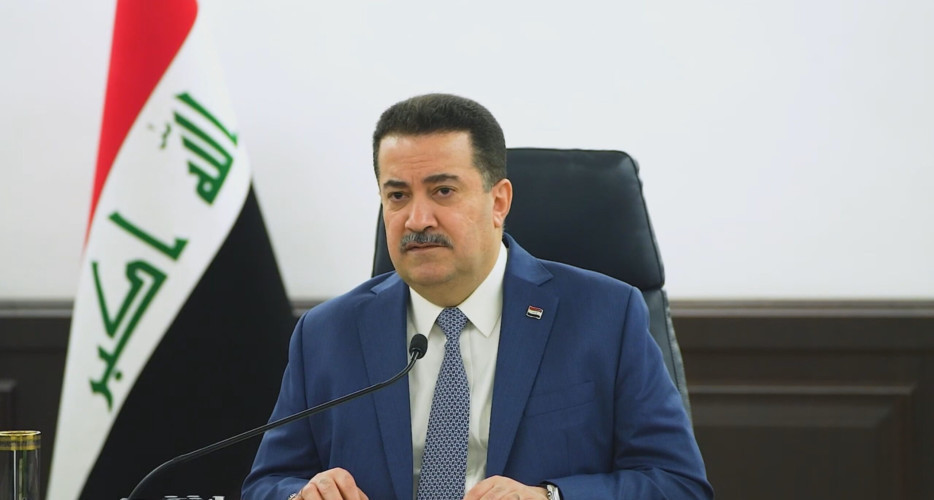
Peregraf - Iraqi Prime Minister Mohammed Shia’ Al-Sudani outlined a forward-looking vision for Iraq’s economy, stressing fiscal reform, investment expansion, and long-term stability as pillars for sustainable growth.
In a televised interview with the Iraqi News Agency (INA), Al-Sudani said the government is moving beyond emergency, tripartite budgets toward more stable annual financial planning, noting that budget discipline now guarantees project funding and reduces waste. He emphasized that broad reforms have already cut costs—saving 43% on previous electricity contracts—and narrowed the exchange-rate gap while lowering inflation from 7.5% to 2.7%.
The prime minister highlighted key indicators of resilience, including a rise in Iraq’s gold reserves from 130 to 172 tons and foreign debt of just $10.06 billion—the lowest in the region. He said the government can overcome financial pressures without burdening citizens, pointing to expanded social protection and reforms in the ration card system that removed 4.5 million ineligible beneficiaries.
On growth drivers, Al-Sudani underscored the central role of energy and investment. Iraq now invests 72% of its associated gas, cutting annual losses previously estimated at $5 billion, and has begun exporting diesel for the first time under a 100,000-ton contract. Major projects—including the $26 billion development of four Kirkuk oil fields and the return of global firms such as ExxonMobil, Chevron, and Halliburton—signal renewed investor confidence driven by transparency and modern technology.
He also highlighted infrastructure as a catalyst for future development, citing the Development Road project—set to carry oil, gas, and telecommunications—and the region’s first immersed tunnel as strategic assets that position Iraq as a regional transit hub.
Addressing structural challenges, Al-Sudani called for revising the state salary scale, streamlining 34 special laws governing wages, and protecting the private sector from bureaucracy and extortion to stimulate job creation.
Concluding, the prime minister said Iraq’s economic reforms, diversified investments, and institutional restructuring lay the groundwork for long-term stability and growth, even as global economies face shared challenges.