Iraq’s Supreme Judicial Council Urges Respect for Constitutional Timelines Amid Presidency and Premiership Deadlock
Peregraf — The Iraqi Supreme Judicial Council on Thursday stressed the need to strictly adhere to constitutional deadlines for appointing the President of the Republic and the Prime Minister, warning that any deviation could threaten political stability and the democratic process.
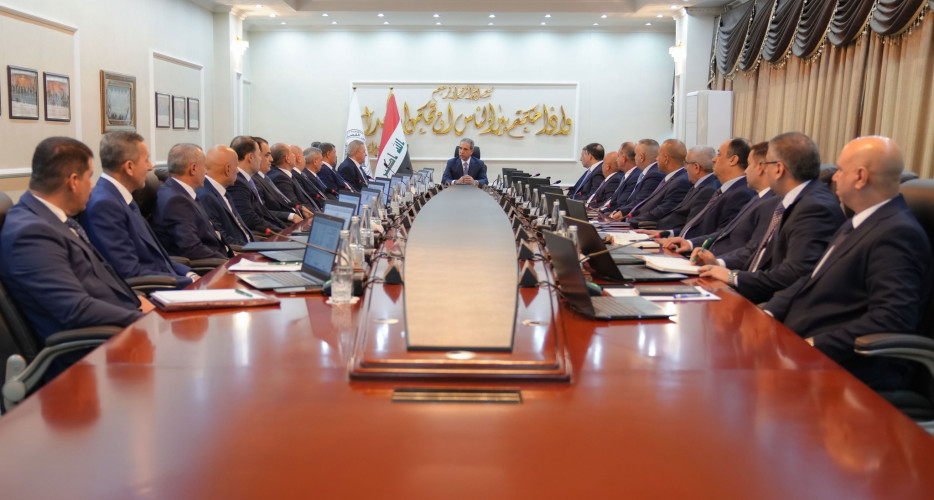
The Council held its first session of the year on the morning of January 29, 2026, chaired by the President of the Federal Court of Cassation, Judge Dr. Faiq Zidan. During the session, members observed a memorial for Mohammed Abdul Aziz Hassan, Deputy Public Prosecutor at the Saladin Public Prosecution Office, who passed away on January 13.
In its statement, the Council emphasized that completing the procedures for selecting the President and Prime Minister within constitutionally defined timelines is a national obligation. It called on all political parties and forces to respect these deadlines and refrain from actions that could undermine constitutional order or open the door to foreign interference.
The session also approved the promotion of several judges and public prosecutors, granted judicial posts requiring organizational approval across a number of Courts of Appeal, and reviewed procedures related to the investigation and trial of individuals transferred from detention centers in Syria to Iraqi correctional facilities.
Political deadlock overshadows deadlines
The Council’s warning comes amid an escalating political deadlock over the nomination of the next Prime Minister, particularly within the Shiite Coordination Framework. Political sources say the Framework is currently in a phase of “denial and condemnation” following U.S. President Donald Trump’s rejection of Nouri al-Maliki’s candidacy.
Observers suggest that if al-Maliki maintains his insistence on running, support from within the Framework may gradually erode, leaving him politically isolated—unless external pressure leads to compromise negotiations or a reversal of Trump’s position.
This crisis within the so-called “Shiite House” is now directly affecting the presidency file, traditionally regarded as the Kurdish share of power. The parliamentary session scheduled for January 27, 2026, to elect a President was postponed due to unresolved disputes between the KDP and the PUK.
A new session has been set for Sunday, February 1, 2026, which marks the final constitutional deadline for electing the President. However, political sources say the vote is likely to be delayed once again, as the President is constitutionally required to immediately task the Prime Minister-designate with forming a government.
Presidency caught in the crossfire
Under Iraq’s constitution, the President must promptly assign the Prime Minister-designate following election. With no consensus yet on the premiership, the presidency itself has effectively become collateral damage in the broader political standoff.
As deadlines expire and institutional paralysis deepens, the Supreme Judicial Council’s call underscores growing concern that continued delays may push Iraq into a constitutional gray zone with serious political consequences.