Talabani and Abdulwahid Solidify Alliance, Present KDP with Two Options to End KRG Cabinet Formation Deadlock
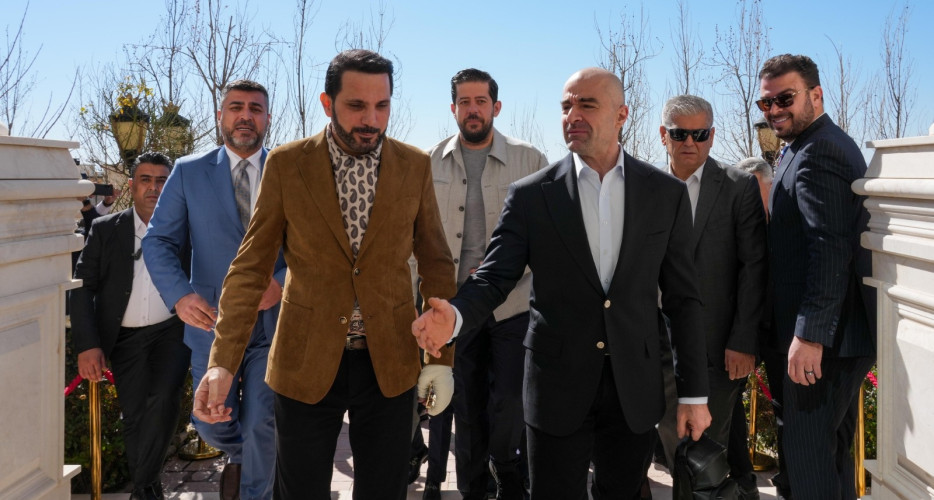
Peregraf - In a move that could recalibrate coalition negotiations in the Kurdistan Region, Bafel Talabani, President of the Patriotic Union of Kurdistan (PUK), met Tuesday for a second time within 30 days with Shaswar Abdulwahid, President of the New Generation Movement, as the two sides worked to finalize a written agreement on formation of Kurdistan Regional Government (KRG)'s new cabinet.
However, it was Abdulwahid’s remarks at a subsequent press conference that drew the most attention. Framing the alliance as an effort to restore institutional balance, he outlined two distinct options for the Kurdistan Democratic Party (KDP) regarding negotiations for the next KRG cabinet.
"We have identified two options," Abdulwahid said. "One is taking the post of Prime Minister along with a number of ministries; the other is taking the Presidency of the Region along with a number of ministries. The KDP is free to choose whichever option they prefer."
The statement marks one of the most explicit power-sharing proposals put forward since the October 2024 parliamentary elections. It underscores the alliance’s strategy to negotiate as a unified bloc and press for parity at the highest levels of government in Kurdistan Region.
From Joint Bloc to Power Broker
The meeting on February 17 builds on a political agreement announced on January 17, when Talabani and Abdulwahid declared the formation of a joint parliamentary bloc. Together, the PUK and New Generation command 38 seats—just one fewer than the KDP’s 39—effectively creating near-parity in the legislature.
In the October 20, 2024 elections, the KDP emerged as the largest party with 39 seats, followed by the PUK with 23 and the New Generation Movement with 15. The Kurdistan Islamic Union secured seven seats, while the remaining mandates went to smaller parties and minority representatives. Of the five minority quota seats, three are widely viewed as aligned with the KDP and two with the PUK.
By consolidating their numbers, the PUK and New Generation have positioned themselves not merely as potential coalition partners, but as co-equal actors in shaping the next government.
Breaking a Yearlong Stalemate
The formation of the tenth KRG cabinet has been delayed for more than a year due to disputes between the KDP and PUK, particularly regarding security portfolios and the Ministry of Interior. This prolonged impasse has left both the executive branch and the parliament operating in a limited capacity.
Abdulwahid stated that the agreement with the PUK would be finalized in writing next week following further meetings at the political bureau level. He described the accord as comprehensive, covering governance in both the Kurdistan Region and coordination at the federal level in Baghdad.
"Our agreement with the PUK focuses on the style of governance," he said, noting that Talabani had demonstrated seriousness in pursuing a structured partnership.
A Calculated Offer
By publicly presenting the KDP with two top-tier options—either the Premiership or the Kurdistan Regional Presidency, paired with ministerial portfolios—the alliance seeks to frame the negotiations around power balance rather than hierarchy.
The proposal appears designed to shift the debate from individual posts to institutional equilibrium, signaling that the PUK–New Generation bloc is unwilling to accept a subordinate role in the next cabinet.
Whether the KDP embraces one of these options or counters with an alternative arrangement remains to be seen. However, the clarity of the offer suggests that coalition talks are entering a decisive phase, with the balance of power in the Kurdistan Region depending on how the leading parties respond in the days ahead.