Öcalan Warns 'Counter-Terrorism' Logic is a Deadlock, Calls for Democratic Integration
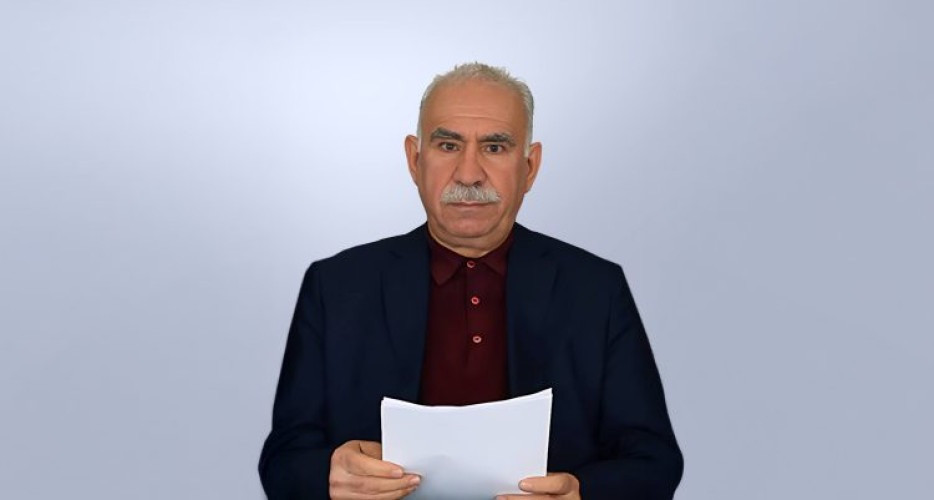
Peregraf- Following the approval of the Turkish Parliamentary Commission’s report on the Kurdish issue, the DEM Party delegation shared the key points of their February 16 meeting with Abdullah Öcalan, the imprisoned Kurdish leader. Öcalan emphasized that the current approach of framing the issue solely as a “counter-terrorism” challenge is insufficient and called for a broader, democratic framework for integration.
On the Parliamentary Commission’s Report
Öcalan stressed that any report addressing the Kurdish question must reflect the fundamental realities of society. “The policy of treating this issue through the logic of ‘eliminating terrorism’ represents a deadlock, not a solution,” he said. He noted that the report’s design will be crucial for the future progress of the process.
The Peace Process and Democratic Integration
Describing the ongoing initiative as the “Peace and Democratic Society Process,” Öcalan highlighted the need for continual self-assessment and strategic development. He characterized the February 16 meeting as “the beginning of democratic integration” and paid tribute to former MP Sırrı Süreyya Önder, calling him “a bearer of good news and a worthy comrade.”
Historical Foundations of the Republic
Öcalan underlined the historic role of Kurds in the founding of the Turkish Republic, saying that Kurdish participation was acknowledged during the War of Independence and in the early congresses leading to the Republic. He cited Mustafa Kemal’s remarks in Izmit on January 17, 1921, noting, “This Republic was not established without the Kurds.” He criticized subsequent legal measures that excluded Kurds, restricted their language and identity, and fueled cycles of denial and uprisings.
Ending Denial and Moving Toward Peace
Highlighting the current process as one aimed at ending both denial and rebellion, Öcalan stressed the importance of modern, structured integration with the Republic. “Denying the Kurdish people is not architecture. This construction cannot exist without laws and principles,” he said, referencing the February 27 call as a foundational political program.
Defining “Free Citizenship”
Öcalan proposed a redefinition of citizenship to prioritize freedom over ethnic, religious, or ideological distinctions. He suggested the term “Free Citizen,” which would encompass all individuals—Muslim or Christian, Kurd or Arab, socialist or capitalist—granting equal freedom in religion, nationality, and thought. He questioned whether current Turkish citizenship fulfills this standard.
Identity and Democratic Boundaries
Finally, Öcalan called for the protection of national, religious, and ideological identities within democratic limits, emphasizing that no group should impose its language, religion, or national identity on another. “Everyone must be able to freely determine their own nation and identity,” he stated.
The DEM Party’s disclosure of Öcalan’s perspectives comes at a critical moment, as Turkey’s parliamentary commission report faces scrutiny over its framing and terminology, with Kurdish representatives advocating for broader recognition of language and identity rights.