Washington Sends Clear Message to Baghdad: Central Bank Reform, Hashd al-Shaabi Integration, and Disarmament
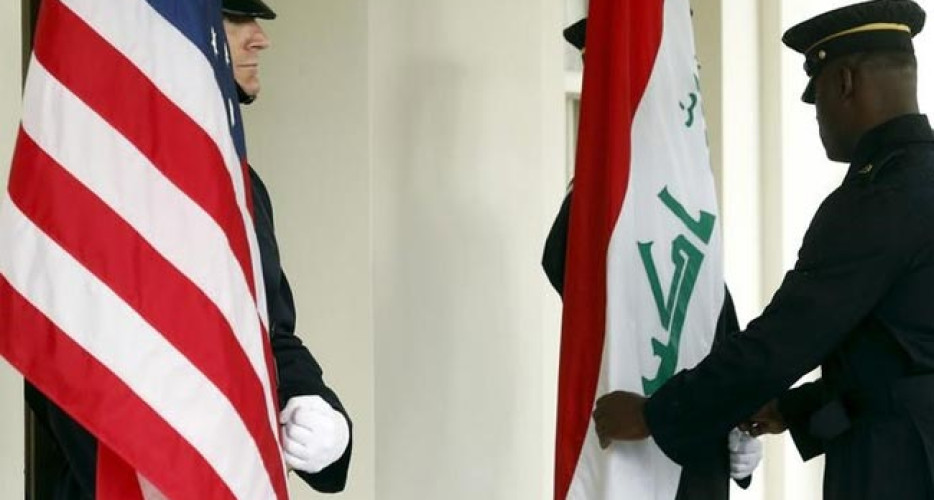
Peregraf – The Iraqi government has received a series of clear directives from the United States regarding Iraq’s financial institutions, armed groups, and political framework, Iraqi Foreign Minister Fuad Hussein revealed.
In an interview with Al-Sharqiya TV, Hussein explained that the communications, transmitted through Iraq’s embassy in Washington, do not carry sanctions but outline U.S. requests and concerns. “The U.S. requested a reorganization of the Central Bank and Iraqi banks concerning financial matters,” Hussein said. “They also urged that the Hashd al-Shaabi (Popular Mobilization Forces) be integrated under the Ministry of Defense and that other armed groups surrender their weapons.”
Hussein added that the U.S. messages came after leaders of the Coordination Framework and Prime Minister formally asked Iraq’s ambassador in Washington to clarify America’s stance on these issues.
The announcements coincided with a visit to Erbil by Joshua Harris, Chargé d’Affaires of the U.S. Embassy in Iraq. Harris met with KDP President Masoud Barzani and the leadership of the Kurdistan Regional Government, including the KRI President and the KRG Prime Minister. The U.S. Embassy stated that Harris consulted with Kurdistan Region leaders to advance shared objectives: safeguarding Iraqi sovereignty, strengthening regional stability, and enhancing economic ties.
During the meetings, Harris reaffirmed the U.S. commitment to a fully sovereign, stable, and prosperous Iraq, while emphasizing continued partnership with the Kurdistan Region. He also highlighted America’s readiness to employ “the full range of tools to counter Iran’s destabilizing activities in Iraq,” as Iraqi leaders work toward a political framework prioritizing national interests.
Iraq continues to face political deadlock, with rival blocs unable to agree on a new president and government cabinet. Disputes over the premiership and allocation of key posts have stalled progress for months.
The U.S. stance is reported to complicate these negotiations further. Former Prime Minister Nouri al-Maliki, head of the State of Law Coalition, has faced private and public opposition from U.S. President Donald Trump, who contends that Maliki is too closely aligned with Iran. Maliki has dismissed such reports as foreign interference, insisting that Iraq’s leadership decisions must remain an internal matter.
Analysts say the coming weeks will be pivotal as Iraqi factions navigate mounting external pressures alongside deep internal divisions over the formation of the next government.