Peregraf - The Kurdistan Regional Government (KRG) has reiterated its demand for the complete transfer of its constitutional budget share from Baghdad, emphasizing that allocations must reflect the 14.1 percent ratio established by Iraq’s general population census.
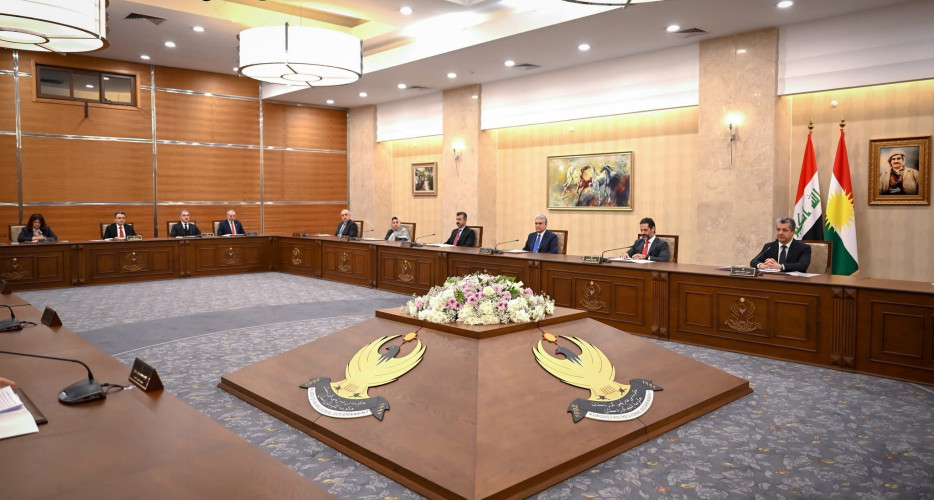
Following a Council of Ministers meeting chaired by Prime Minister Masrour Barzani, the KRG urged the Iraqi federal government to move beyond partial payments and ensure the consistent delivery of both salaries and the Region’s full financial entitlements.
The KRG's focus on a fixed 14.1 percent share indicates a strategy to anchor long-standing financial disputes in census-based data. Kurdish officials argue that this provides a more transparent and legally sound formula for budget distribution.
“The Federal Government must send not only the salaries and financial entitlements of the Region’s employees, but also the Kurdistan Region’s full budget share,” the statement read, explicitly connecting the demand to the officially recognized population ratio.
Census-Based Formula at the Center of the Dispute
For years, disagreements between Erbil and Baghdad over budget allocations have revolved around shifting agreements, oil revenues, and political negotiations. By invoking the 14.1 percent figure derived from the national census, the KRG aims to establish a fixed and predictable framework for fiscal transfers.
Officials in the Region view the census-based percentage as a definitive benchmark that could reduce ambiguity and prevent what Kurdish leaders have repeatedly described as irregular or incomplete payments from the federal government.
Budget transfers remain one of the most contentious aspects of relations between the KRG and the federal authorities in Baghdad, with periodic crises impacting public sector salaries and broader economic stability in the Region.
Salaries and Financial Stability
The KRG’s latest appeal highlights increasing pressure to secure stable funding for public sector wages, which have often been delayed or partially paid amidst disputes with Baghdad.
By directly linking salary payments to the broader budget share, Kurdish officials are signaling that piecemeal financial transfers are insufficient to address systemic fiscal challenges. They argue that a comprehensive settlement based on the census ratio is necessary to ensure long-term stability.
Internal Reforms Continue
In addition to its external demands, the Council of Ministers also addressed internal governance priorities, particularly in the security sector. The cabinet instructed the Ministry of Peshmerga to continue implementing reforms aimed at reorganizing and unifying all Peshmerga forces under a single institutional structure.
This unification process, long encouraged by international partners, is intended to strengthen command structures and reduce factional divisions within Kurdish forces.
Extension of Traffic Fine Discount
In a separate decision, the Council extended a 20 percent discount on traffic violation fines for an additional six months. This measure is part of broader efforts to ease financial burdens on citizens while promoting compliance with traffic regulations.