Kurdistan Region Rejects Baghdad’s Claims on Oil Exports, Cites Attacks and Economic Pressure
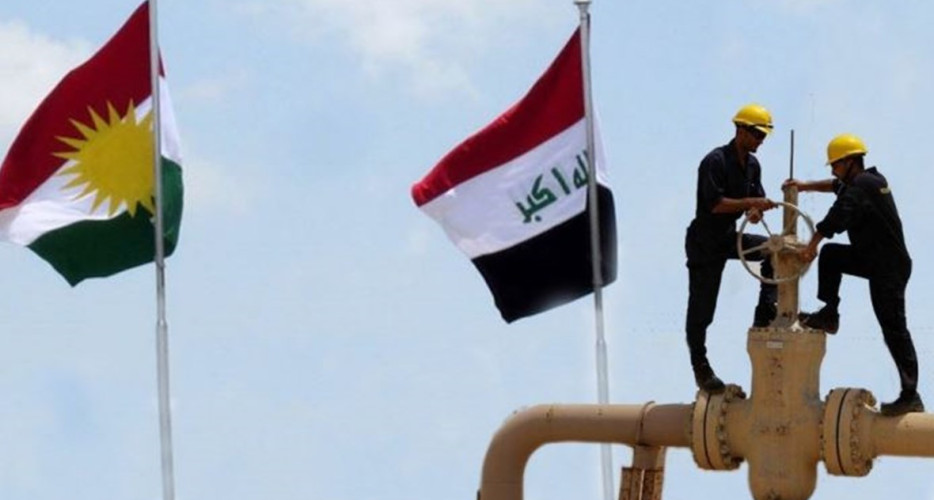
Peregraf — The Kurdistan Regional Government (KRG) Ministry of Natural Resources on Sunday rejected claims by Iraq's federal government that the Kurdistan Region had refused to resume crude exports through the northern pipeline to Turkey, accusing Baghdad of distorting the facts and ignoring broader political and security issues behind the dispute.
In a statement addressing public opinion in both the Kurdistan Region and Iraq, the ministry said the recent announcement by the Iraqi Ministry of Oil failed to present the full context of the standoff and instead attempted to place responsibility for the halted exports on Kurdish authorities.
"The Iraqi statement fails to address all dimensions of the issue," the ministry said. "It has distorted the facts and attempted to blame the Kurdistan Region to mislead public opinion."
The Kurdish ministry also accused the federal government in Baghdad of imposing what it described as an economic blockade since January by restricting the flow of U.S. dollars to Kurdish traders under the pretext of implementing the ASYCUDA customs system. According to the statement, the restrictions have halted commercial activity in the region and were implemented without granting the Kurdistan Region sufficient time to adapt to the new system, despite repeated requests.
The ministry further said the Kurdistan Region's energy infrastructure had been repeatedly targeted by armed groups in recent months, describing the attacks as "terrorist assaults" on oil and gas fields and refineries. It said production had been disrupted as a result, and petroleum products were currently unavailable for export.
Kurdish officials also criticized the federal government for failing to prevent or respond to the attacks, alleging that some of the groups responsible receive funding, weapons, and salaries from authorities in Baghdad.
The statement added that while Kurdish civil servants have faced persistent delays in salary payments, groups involved in the attacks were allegedly continuing to receive financial support.
Despite the tensions, the ministry said the Kurdistan Region remained open to dialogue and called for immediate talks between technical experts from both sides to resolve the dispute.
"We reiterate once again that we are ready for expert teams to meet immediately to discuss these points of contention and reach a swift conclusion that benefits all of Iraq," the ministry said.
The response comes amid a widening dispute between the federal government and the KRG over control of oil exports and revenue management — a longstanding issue that has repeatedly disrupted energy production and exports in northern Iraq.
Baghdad Pushes for Exports via Ceyhan
Earlier on Sunday, Iraq's Deputy Prime Minister and Oil Minister Hayan Abdul-Ghani al-Saadi chaired an emergency meeting to review the country's oil production and export operations amid growing regional instability.
Officials discussed alternative export strategies, including tanker shipments and the potential resumption of crude exports through the northern pipeline to the Turkish port of Ceyhan.
Baghdad said it was prepared to resume exports of up to 300,000 barrels per day through the pipeline, in addition to roughly 200,000 barrels per day previously exported from fields in the Kurdistan Region. The pipeline's total capacity is estimated at approximately 900,000 barrels per day.
However, the federal oil ministry said Kurdish authorities had refused to restart shipments, attaching conditions that Baghdad described as unrelated to crude exports.
The dispute has taken on greater urgency as Iraq faces disruptions to its southern oil shipments through the strategic Strait of Hormuz amid escalating regional tensions tied to the ongoing U.S.–Israel war on Iran, now in its 16th day.
Iraqi officials have warned that prolonged disruptions could place significant pressure on government finances. Mudher Muhammad Saleh, financial adviser to Prime Minister Mohammed Shia' al-Sudani, said the country may eventually need to resort to domestic borrowing to pay public sector salaries and meet foreign financial obligations if oil exports through the Strait of Hormuz remain blocked for an extended period.