Iraqi Parliament Links Oil Export Crisis to KRG Salaries as Kirkuk Exports Resume via Kurdistan Pipeline
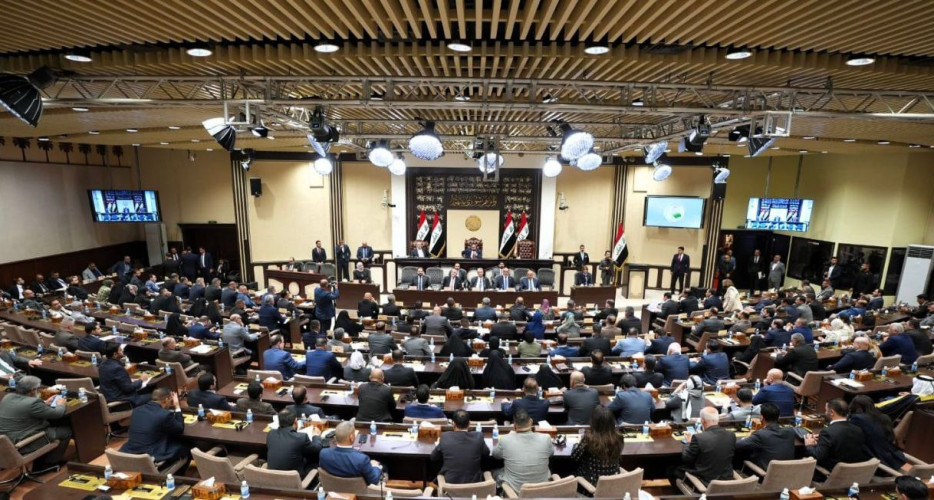
Peregraf – Iraq’s Council of Representatives has issued a series of decisions addressing the country’s oil export crisis, while directly linking the dispute to salary payments in the Kurdistan Region—just as exports from Kirkuk resume through the Kurdistan pipeline.
During a late-night session, lawmakers hosted Oil Minister Hayyan Abdul-Ghani to discuss disruptions in crude exports and alternative routes. Acting Speaker Haibat al-Halbousi emphasized that “no region or province has the right to control oil exports,” underscoring Baghdad’s position in the ongoing dispute with the Kurdistan Regional Government (KRG).
Oil at the Center of the Crisis
Parliament mandated the federal government to urgently find alternative outlets for Iraqi crude to prevent economic fallout that could affect citizens’ livelihoods and state revenues.
Lawmakers also instructed authorities to reassert federal control over oil production and transportation, and to accelerate rehabilitation of the Kirkuk–Ceyhan pipeline via Mosul, Zummar, and Fishkhabur. The long-delayed Oil and Gas Law was again highlighted as essential to resolving structural disputes between Baghdad and Erbil.
Kirkuk Oil Flows Resume via KRG Pipeline
In a significant development on Wednesday, the KRG Ministry of Natural Resources announced the start of exporting 250,000 barrels per day of Kirkuk crude through the Kurdistan Region’s pipeline.
According to the ministry, operations began at 6:30 AM from the Saralu station, with oil transported to Fishkhabur for export to Turkey’s Mediterranean port of Ceyhan, in coordination with Baghdad.
The move signals a partial breakthrough in efforts to restore northern oil exports, even as political and legal disputes remain unresolved.
KRG Salaries in Focus
In a key decision, Parliament ordered the federal government to ensure the payment of salaries for Kurdistan Region employees, stressing they must be treated equally with public sector workers across Iraq.
The linkage reflects growing concern that disruptions in oil exports—particularly from northern fields—are directly affecting budget flows and delaying salary disbursements in the region.
Broader Economic Measures
The Council also mandated the implementation of the ASYCUDA customs system across all Iraqi provinces, including the Kurdistan Region, to improve revenue collection and transparency.
Additional directives included supplying fuel oil to factories to prevent refinery congestion and shortages in petroleum products.
Political and Economic Implications
The developments highlight how closely Iraq’s oil export dynamics are tied to fiscal stability and public sector salaries—especially in the Kurdistan Region.
With exports from Kirkuk now resuming via the KRG pipeline, pressure is mounting on both Baghdad and Erbil to translate coordination on oil flows into a lasting agreement on revenue sharing and financial obligations.