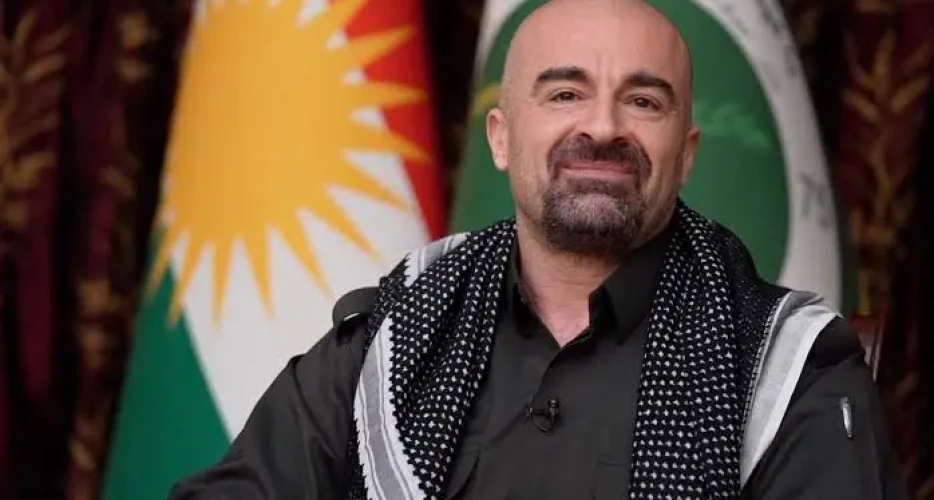
Peregraf — Bafel Jalal Talabani, President of the Patriotic Union of Kurdistan, has emphasized the urgent need for national unity, political harmony, and collective action to safeguard the Kurdistan Region amid rising regional instability.
In his message marking Nowroz and the Kurdish New Year, Talabani highlighted that the occasion represents more than celebration, describing it as a symbol of peace, brotherhood, and unity among Kurds. He extended Nowroz greetings to Kurds everywhere, noting the holiday also coincides with the anniversary of the Kirkuk uprising, often referred to as the “Jerusalem of Kurdistan.”
Focusing on the current challenges, Talabani reaffirmed a central message: “We are committed to national unity, the solidarity of our people, and harmony among political parties.” He stressed that coordination among Kurdish political forces is now more critical than ever, adding that “together, we must work to protect our nation from any threats currently facing our region.”
His remarks come at a time of heightened concern across the Kurdistan Region, as escalating conflict in the wider Middle East raises fears of spillover. The ongoing confrontation involving the United States, Israel, and Iran has entered its third week, increasing the risk of broader regional instability.
According to follow-up reporting by the Peregraf Media Foundation, the security situation has already shown signs of deterioration. Approximately 400 drones and missiles reportedly struck various locations across the Kurdistan Region during the first two weeks of the conflict. Authorities have attributed these attacks either to Iran or to factions linked to the so-called Islamic Resistance in Iraq.
The scale and frequency of these incidents have intensified concerns that the Kurdistan Region could be drawn further into a widening confrontation, placing additional pressure on internal political cohesion.
Against this backdrop, Talabani’s call underscores a growing consensus among Kurdish leaders that unity and coordinated political action are essential to navigating an increasingly volatile regional landscape.