Kurdistan Oil Output Plunges 76% as Regional Conflict Disrupts Production and Exports
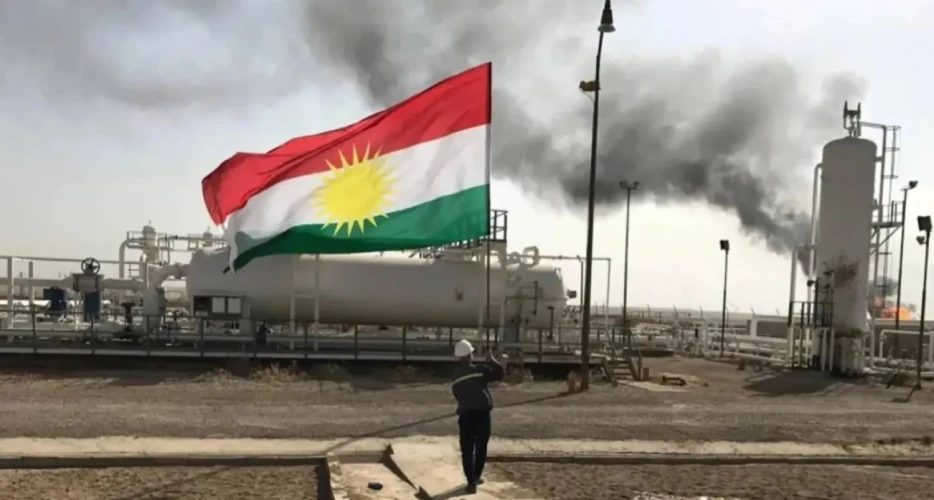
Peregraf — Oil production in the Kurdistan Region has fallen by approximately 76 percent, while exports have dropped by nearly 79 percent, as escalating conflict involving the United States, Israel, and Iran continues to disrupt the region’s energy sector.
Kamal Mohammed, the Acting Minister of Natural Resources, said on Saturday that production has been suspended at the region’s five largest oil fields, forcing a sharp contraction in both output and export capacity.
“Before the start of the war, the Kurdistan Region’s oil production had reached between 260,000 and 270,000 barrels per day,” Mohammed said. “Of that, around 50,000 barrels were allocated for domestic use, and between 210,000 and 215,000 barrels were exported.”
That balance has now been dramatically altered. According to Mohammed, total production has dropped to just 60,000 to 65,000 barrels per day. Of this, 50,000 barrels continue to be reserved for domestic consumption, leaving only 10,000 to 15,000 barrels available for export.
The sharp decline underscores the vulnerability of the Kurdistan Region’s oil-dependent economy to regional instability, particularly as international oil companies have halted operations amid security concerns.
Exports Shift as Regional Routes Disrupted
The downturn follows major disruptions to regional energy flows after the closure of the Strait of Hormuz, a critical global oil transit chokepoint, amid the ongoing conflict. The closure has significantly impacted Iraq’s broader export capacity.
In response, Iraq’s federal government has sought alternative export routes. The Ministry of Oil is now redirecting crude from Kirkuk through the Kurdistan Region’s pipeline network to the Turkish port of Ceyhan, allowing limited volumes to reach international markets.
“Currently, around 200,000 barrels of oil are exported daily through the Kurdistan Region’s pipeline,” Mohammed said. “Of this, 180,000 barrels are from Kirkuk fields, while the remainder belongs to the Kurdistan Region.”
Production and Export Collapse
The contrast between pre-war and current figures highlights the scale of the disruption:
• Total Production: Drop from 260,000–270,000 to 60,000–65,000 barrels per day (~76% decrease)
• Exports: Decline from 210,000–215,000 to 10,000–15,000 barrels per day (~79% decrease)
• Domestic Use: Stable at 50,000 barrels per day
Despite the collapse in exports, domestic consumption has remained unchanged, reflecting the government’s priority to maintain internal energy supply during the crisis.
Economic Pressure Mounts
The sudden drop in export revenues is expected to intensify financial pressure on the Kurdistan Regional Government, which relies heavily on oil income to fund public salaries and services. The halt in production by major operators further complicates recovery prospects, as uncertainty over security conditions persists.
With regional tensions showing no immediate signs of easing, officials warn that oil output may remain constrained in the near term, raising concerns over prolonged economic strain in the Kurdistan Region.