Peregraf- Iraq said Sunday it had secured continued access to the Strait of Hormuz for its oil exports, as a tanker successfully transited the strategic waterway a day after Iran granted Baghdad an exemption amid escalating regional tensions.
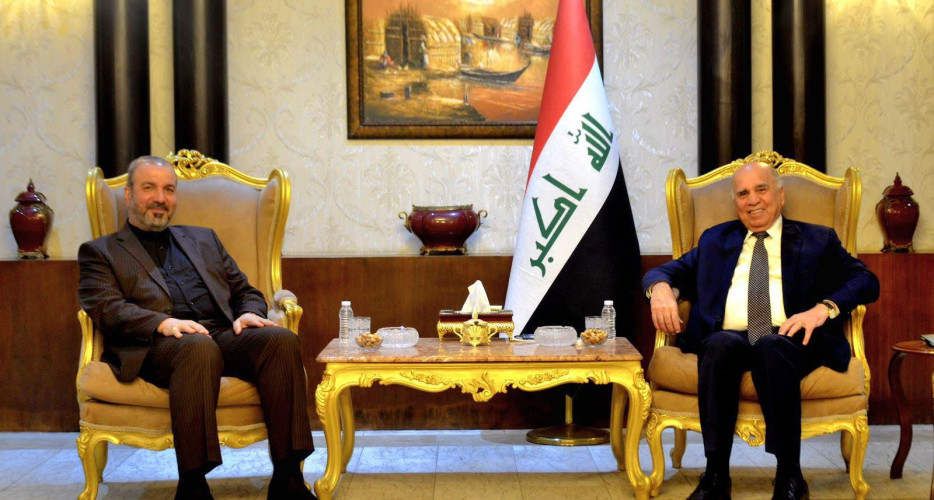
In a statement, Foreign Minister Fuad Hussein confirmed that Iraq had received assurances from Tehran allowing its tankers to pass through the Strait, a vital chokepoint for global energy supplies. He made the remarks during a meeting in Baghdad with Iran’s ambassador, Mohammad Kazem Al-Sadeq.
Hussein expressed gratitude for Iran’s decision, emphasizing “the importance of continuing this cooperation in the near future,” according to the Foreign Ministry. The two sides discussed mechanisms to sustain coordination and ensure Iraqi shipments can move uninterrupted through Hormuz, which handles a significant share of the world’s oil flows.
The diplomatic exchange came as the first tangible sign of progress emerged: an Iraqi oil tanker crossed the Strait of Hormuz on Sunday, heading toward Malaysia, officials said. The transit marks the first such passage since Iran’s exemption, signaling a tentative easing of immediate risks to Iraqi exports.
The Strait of Hormuz, situated between Iran and Oman, is one of the world’s most critical maritime corridors, carrying roughly a fifth of global oil consumption. Any disruption has immediate implications for international markets and energy security.
But the situation remains volatile. According to Bloomberg, citing a White House official, Washington has rejected any move by Iran to establish long-term control over access to the Strait. The official said U.S. forces had destroyed 44 Iranian vessels involved in laying naval mines, adding that former President Donald Trump was confident the waterway would soon be fully reopened.
Iran’s position was conveyed during the Baghdad meeting, where Ambassador Al-Sadeq outlined Tehran’s stance on the ongoing war and broader regional developments. While details were not disclosed, the talks underscored the fragile balance between cooperation and confrontation shaping Hormuz access.
Hussein reiterated Iraq’s official policy of rejecting war and called for an end to hostilities, stressing that disputes should be resolved through dialogue and peaceful negotiations. “The region needs an approach based on open and rational dialogue,” he said, warning of the wider repercussions of continued conflict.
For Iraq, whose economy depends heavily on oil exports, maintaining a secure route through Hormuz is critical. Sunday’s tanker passage may offer short-term relief, but the broader uncertainty surrounding the Strait suggests that Iraq’s access remains tied to shifting geopolitical calculations beyond its control.