Iraq Nears Presidential Vote Amid Deep Kurdish Divide and Mounting Political Pressure
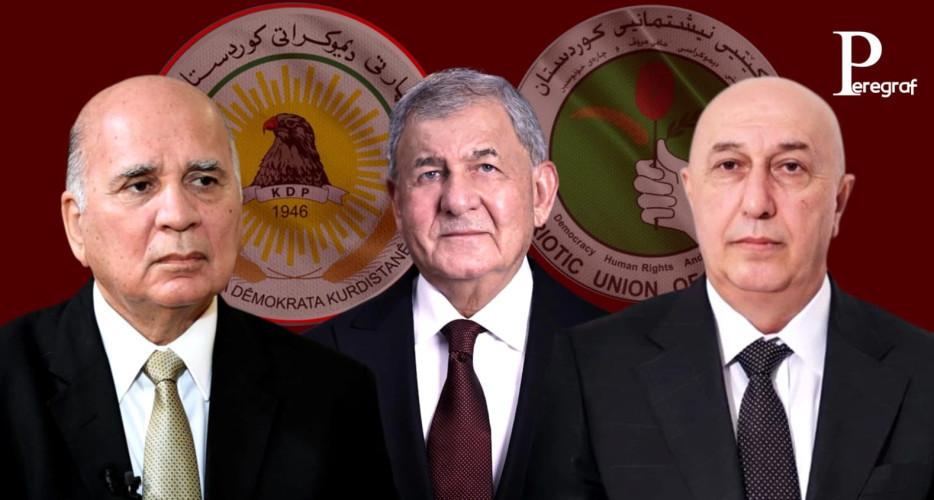
Peregraf - With only two days remaining until Iraq’s Parliament is set to convene to elect a new President of the Republic, political divisions—particularly among Kurdish parties—continue to cast doubt over the outcome of Saturday’s session.
The presidency, traditionally reserved for Kurdish leadership under Iraq’s post-2003 power-sharing system, remains contested between the Kurdistan Democratic Party (KDP) and the Patriotic Union of Kurdistan (PUK), which have yet to reach an agreement on a unified candidate.
Dilan Ghafour, spokesperson for the PUK parliamentary bloc, told Peregraf that her party remains confident ahead of the vote. "On Saturday, we will attend the parliamentary session to elect the President. We are optimistic that our candidate will secure the necessary votes and that we will win the position," she said.
Ghafour added that there is a strong political will to proceed with the session.
More than 230 members of parliament have already signed a request calling for the vote to take place. Notably, all Kurdish parties endorsed the request except the KDP, highlighting the ongoing rift between the two dominant parties in the Kurdistan Region.
According to information obtained by Peregraf, no meaningful progress has been made toward reconciling differences between the KDP and PUK, and no agreement has been reached on a joint candidate.
Parliament Speaker Mohammed al-Halbousi has called on all parliamentary blocs to attend the session scheduled for April 11, warning that the names of any members who fail to participate will be publicly disclosed.
The upcoming vote follows a high-level meeting held on March 30 involving parliamentary leadership and heads of political blocs, during which it was agreed that a dedicated session would be held to elect the president in an effort to break the ongoing political deadlock.
Under Iraq’s constitution, once elected, the president is responsible for formally tasking a nominee from the largest parliamentary bloc with forming the next government.
However, disagreements extend beyond the presidency. Shia political factions, which dominate parliament, remain deeply divided over the position of prime minister. Tensions escalated after former U.S. President Donald Trump reportedly opposed the candidacy of Nouri al-Maliki, citing concerns over his close ties to Iran.
Iraqi officials say Washington has warned of possible sanctions depending on the choice of the next prime minister and has pressed for broader reforms, including curbing the influence of armed groups operating outside state authority. These pressures have further fractured Shia alliances, with some figures aligned with Prime Minister Mohammed Shia al-Sudani reconsidering their support for Maliki.
Procedurally, the parliamentary session requires a quorum of at least two-thirds of lawmakers—166 members—to proceed. To elect a president, a candidate must secure no fewer than 220 votes, making broad consensus essential.
The Kurdish contest for the presidency reflects similar divisions. Incumbent President Abdul Latif Rashid is seeking a second term, while the PUK has nominated Nizar Amedi and the KDP has put forward Fuad Hussein. Despite ongoing discussions, no compromise has been reached between the rival parties.
The urgency of the situation is heightened by missed constitutional deadlines. Parliament was originally required to elect a president by February 1, but repeated attempts have failed due to lack of quorum and political disagreement.
As Iraq approaches Saturday’s critical session, the country remains caught between internal rivalries and increasing external influence. While political leaders continue to project confidence, the outcome will likely depend on last-minute negotiations and the balance of both domestic and international pressures shaping Iraq’s political landscape.