Iraqi Parliament Forms Committee to Investigate 50,000 Barrels of Daily Oil Allocated to Kurdistan Region
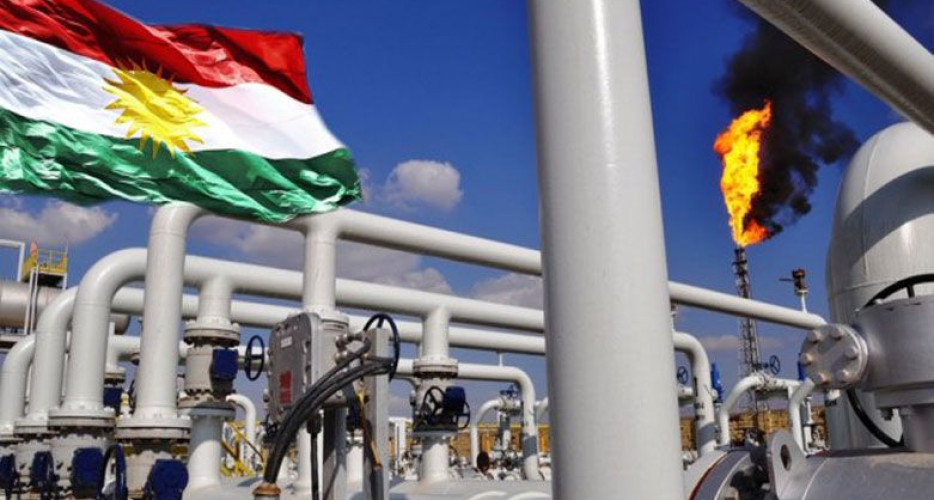
Peregraf — Iraq's parliament has formed an investigative committee to examine how the Kurdistan Regional Government (KRG) is handling the 50,000 barrels of oil allocated daily to the Kurdistan Region for domestic use, according to Iraqi MP Ghalib Mohammed.
The lawmaker claimed the oil is supposed to be used to provide fuel derivatives such as gasoline and kerosene to citizens at subsidized prices, but alleged that the products are instead being sold at commercial market rates.
"By order of the Speaker of the Iraqi Parliament, a committee has been formed to investigate the 50,000 barrels of daily oil for the Region," Ghalib Mohammed said on April 23.
"This oil should be sold to citizens at subsidized prices, but it is currently being sold to the public at commercial rates," he added.
According to the MP, regulations require that one liter of gasoline be sold at the subsidized price of 450 Iraqi dinars (IQD), while a barrel of kerosene should be provided for IQD 31,500, in line with fuel pricing across the rest of Iraq.
Breakdown of Daily Production
Based on the figures cited by the MP, the 50,000 barrels of crude oil — equivalent to approximately 7.95 million liters — should yield the following daily:
- Gasoline: 45% — approximately 3,557,500 liters
- Kerosene: 30% — approximately 2,385,000 liters
- Other Derivatives: 25% — approximately 2 million liters
Ghalib Mohammed had formally requested the investigation on January 5, 2026, asking Parliament Speaker Haibat al-Halbousi to review how the KRG manages the allocated oil.
In his letter, the MP argued that the Kurdistan Region continues to face a worsening fuel crisis, particularly in winter, alongside salary delays and broader economic hardship, and that citizens are paying high fuel prices despite the daily oil allocation intended to ease that burden.
Under the arrangement between the KRG and the federal government, the Kurdistan Region transfers its produced oil to Iraq's Ministry of Oil, with the exception of 50,000 barrels reserved for domestic consumption. The precise mechanism for distributing and pricing those barrels has remained a source of ongoing dispute.