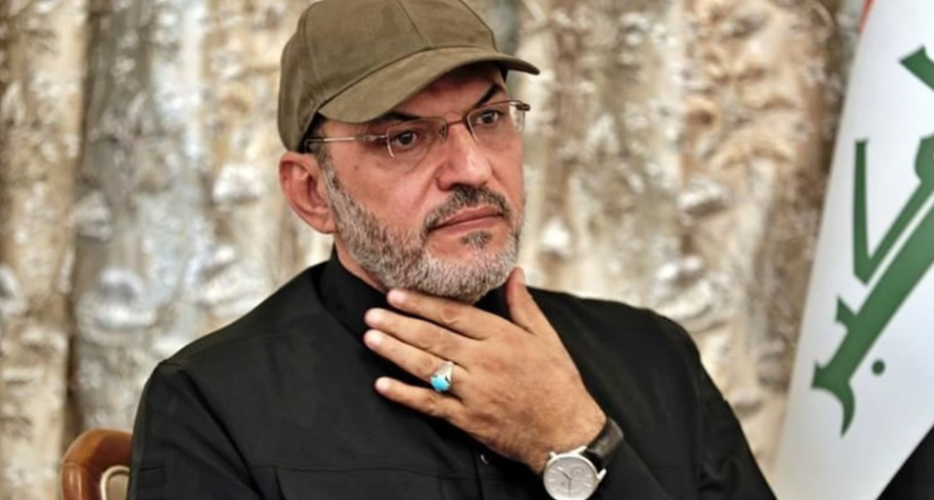
Peregraf — The U.S. Department of State, through its Diplomatic Security Service’s Rewards for Justice program, has announced a reward of up to $10 million for information leading to the identification or location of Hashim Finyan Rahim al-Saraji, also known as Abu Ala al-Walai, the Secretary-General of Kata’ib Sayyid al-Shuhada (KSS).
Washington describes KSS as an Iran-aligned armed group in Iraq and accuses it of killing Iraqi civilians, attacking U.S. diplomatic facilities, and targeting U.S. military bases and personnel in both Iraq and Syria.
In its statement, the U.S. government said individuals with information on al-Saraji can submit tips through its Tor reporting line or via encrypted messaging on Signal, adding that eligible informants may qualify for relocation and financial rewards.
The announcement comes as part of broader U.S. efforts to target senior leaders of Iran-backed armed groups operating in Iraq.
Political Role Inside Iraq
Abu Ala al-Walai is considered one of the 12 major Shiite political figures involved in decisions related to Iraq’s government formation and issues concerning the Shia political bloc.
He is a regular participant in meetings of the Coordination Framework, the main alliance of Shia political forces in Iraq, and is regarded as one of its key leaders.
Kata’ib Sayyid al-Shuhada participated in Iraq’s current parliamentary term through the State of Law Coalition led by Nouri al-Maliki, and the group currently holds four seats in parliament.
This is not the first time Abu Ala al-Walai has been targeted by Washington. In 2023, both he and KSS were placed on the U.S. terrorism list.
Earlier U.S. Reward for Kata’ib Hezbollah Leader
On April 14, the State Department also announced a separate reward of up to $10 million for information leading to the identification or location of Ahmad al-Hamidawi, leader of Kata’ib Hezbollah.
The U.S. accuses al-Hamidawi of overseeing attacks against American diplomatic facilities, kidnapping U.S. citizens, and killing Iraqi civilians.
The twin reward announcements reflect Washington’s continued campaign against armed factions accused of targeting U.S. personnel and interests in Iraq.