Iraq Warns Against Attacks on Neighboring Countries and Diplomatic Missions from Its Territory
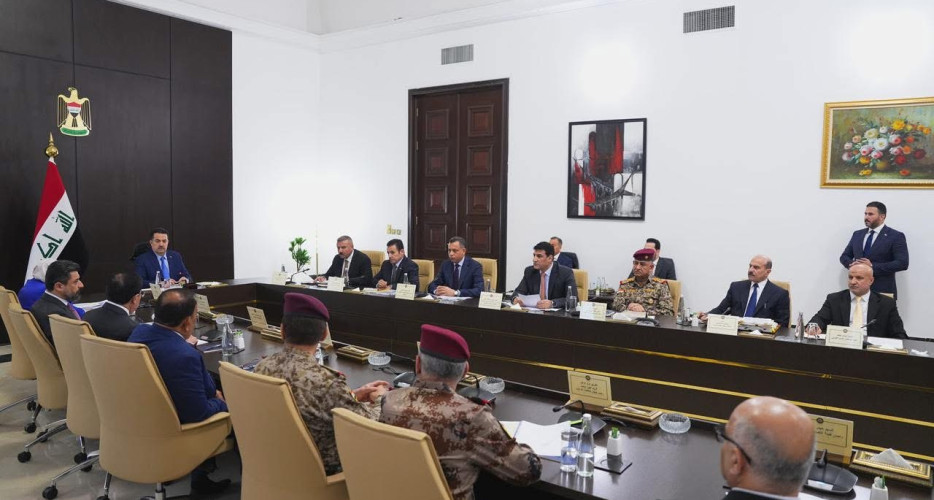
Peregraf — Iraqi caretaker Prime Minister and Commander-in-Chief of the Armed Forces Mohammed Shia' al-Sudani chaired the third periodic meeting of the Ministerial Council for National Security (MCNS) on Monday, stressing the need to prevent attacks against neighboring countries launched from Iraqi territory and assaults on diplomatic missions.
The meeting reviewed Iraq's overall security situation, regional developments, and the country's stated efforts to remain outside the path of escalating regional conflict.
According to an official statement, the council discussed security, political, and economic challenges, alongside what the government described as its commitment to protecting Iraq's sovereignty and preserving national stability.
Preventing Attacks from Iraqi Territory
The council asserted that Iraq has the right to defend itself and prevent any attempt to use its territory to launch attacks.
Among the key recommendations adopted was taking the necessary security, military, and legal measures to stop attacks against neighboring countries from Iraqi territory, as well as attacks targeting diplomatic missions operating inside Iraq.
The government said it would confront any party acting outside the authority of the state and pursue those responsible without exception.
It also stressed restricting weapons possession to the state and taking firm action against armed groups operating outside the law.
Attacks Designated as Terrorist Acts
The council stated that any attack launched from Iraqi territory against neighboring countries would be designated a terrorist act.
It added that the same designation would apply to attacks targeting diplomatic missions and foreign facilities operating inside Iraq.
The government also warned that any infringement on diplomatic missions is unacceptable and violates Iraqi law, pledging firm military, security, legal, and administrative action against those responsible.
Diplomatic and Regional Coordination
Officials called for stronger diplomatic coordination with neighboring countries and regional states to reduce tensions and prevent further escalation.
The council stressed the importance of information-sharing and joint security cooperation to address cross-border threats while, it said, respecting national sovereignty.
It also called on neighboring countries not to allow their territories to be used as launching points for attacks against Iraq or for violations of Iraqi land, airspace, and waters.
At the conclusion of the meeting, the council said protecting Iraq requires decisive action and proactive measures, reaffirming that no party has the right to interfere in Iraq's internal affairs.
The statement comes amid rising regional tensions and repeated drone and missile attacks across Iraq and the Kurdistan Region linked to the broader US-Israel war on Iran.