U.S. Embassy in Baghdad Congratulates PM-Designate Ali al-Zaidi, Backs Government Formation
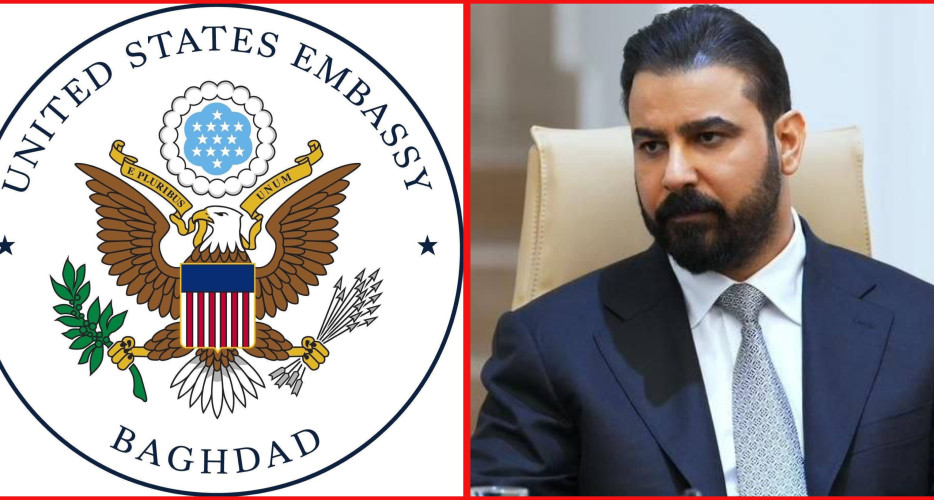
Peregraf — The U.S. Embassy Baghdad extended its congratulations to Ali al-Zaidi following his designation as Iraq’s new prime minister, expressing support for efforts to form a government capable of meeting the expectations of Iraqis.
In a statement posted on X, the U.S. Mission Iraq said: “U.S. Mission Iraq extends its best wishes to Prime Minister-Designate Ali al-Zaidi as he works to form a government capable of fulfilling the hopes of all Iraqis for a brighter and more peaceful future.”
The embassy added that Washington stands “in solidarity with the Iraqi people” in pursuing shared goals including protecting Iraq’s sovereignty, strengthening security free from terrorism, and building a prosperous future that benefits both Iraqis and Americans.
Al-Zaidi Chosen After Weeks of Deadlock
On April 27, Iraq’s ruling Coordination Framework announced the selection of Ali al-Zaidi as its candidate for prime minister, and President Nizar Amedi officially tasked him with forming the next Iraqi government.
The nomination followed weeks of internal divisions within the coalition over the premiership, largely centered on the candidacies of former Prime Minister Nouri al-Maliki and caretaker Prime Minister Mohammed Shia’ al-Sudani.
Both leaders eventually withdrew from the race, allowing the coalition to agree on al-Zaidi as what it described as a “consensus candidate.”
Background of the New PM-Designate
Al-Zaidi, who is in his early forties, is a businessman and politician with a background in law and finance.
He currently chairs the National Holding Company and previously served as chairman of al-Janoob Islamic Bank, one of several Iraqi banks placed under U.S. sanctions and barred from dealing in U.S. dollars over allegations related to currency smuggling to Iran.
He also serves as CEO of Dijlah TV and chairs the boards of Al-Shaab University and the Ishtar Medical Institute.
Under the Iraqi constitution, Zaidi now has 30 days to form a cabinet and secure parliamentary approval for his government.
His nomination is seen as an effort to preserve unity within Iraq’s ruling Shia alliance and avoid a broader political crisis over government formation.