Iraqi PM-Designate's Program Omits Direct Reference to Erbil–Baghdad Disputes and Kurdistan Region
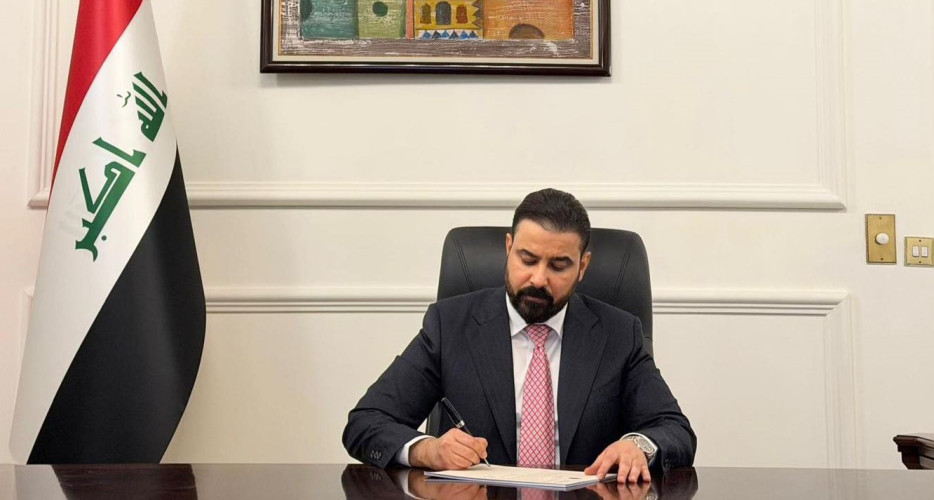
Peregraf — The ministerial program presented by Iraqi Prime Minister-designate Ali al-Zaidi contains no direct reference to relations between Erbil and Baghdad, the Kurdistan Regional Government (KRG), Article 140, or the disputed territories.
The document, outlining the Iraqi government's agenda for 2026–2029, focuses heavily on state sovereignty, security, economic reform, energy, governance, and foreign policy, but avoids explicit mention of the key longstanding disputes between Baghdad and the Kurdistan Region.
Only Indirect Mention: Oil and Gas Law
The only point indirectly related to the Kurdistan Region appears in the energy section, which states the government will "work toward the legislation of the Oil and Gas Law."
The federal oil and gas law has remained one of the most contentious unresolved issues between Baghdad and Erbil for years, particularly regarding oil exports, revenue sharing, and the management of natural resources.
No Mention of Article 140 or KRG
The program makes no reference to:
-
The Kurdistan Regional Government (KRG)
-
Article 140 of the Iraqi Constitution
-
The disputed territories
-
Budget and salary disputes between Erbil and Baghdad
The absence of these issues is notable given ongoing negotiations between Kurdish parties and Baghdad over government formation and federal relations.
Kurdistan Region Mentioned Only in Implementation Section
The only direct mention of the Kurdistan Region appears in the section titled "Foundations for Implementing the Program," which states that after receiving parliamentary confidence, the government will prepare a detailed implementation plan covering ministries, state institutions, the Kurdistan Region, and provinces.
The section also states that ministries, commissions, the Kurdistan Region, and provinces are obligated to implement assigned responsibilities according to national priorities and the federal budget framework.
Focus on Sovereignty and Security
The program emphasizes:
-
Restricting weapons to the state
-
Strengthening the Popular Mobilization Forces (PMF)
-
Preventing Iraq from becoming a launchpad for attacks on neighboring countries
-
Expanding ties with the United States and regional states
-
Diversifying Iraq's economy and boosting investment
It also highlights plans for digital transformation, anti-corruption reforms, infrastructure development, and expanding the energy sector.
Government Formation Continues
Al-Zaidi's nomination followed weeks of political deadlock within Iraq's ruling Coordination Framework coalition.
Under the Iraqi Constitution, he has 30 days from his designation on April 27, 2026, to form a cabinet and secure a parliamentary vote of confidence.
Recent meetings between Kurdish leaders and Iraqi political factions have focused on Kurdish participation in the new government and addressing unresolved disputes between Erbil and Baghdad.