KRG, Baghdad Studying Air Defense Systems to Protect Oil Fields, Interior Minister Says
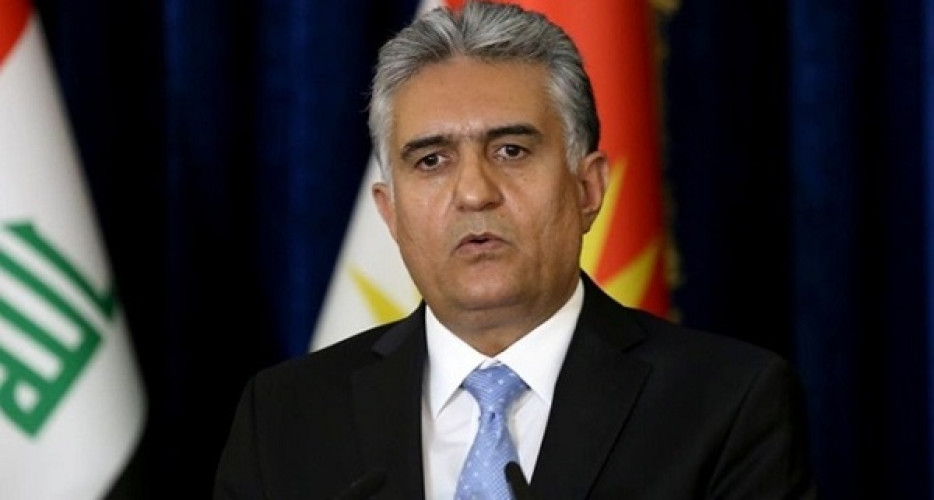
Peregraf — Kurdistan Region Interior Minister Rebar Ahmed said the Kurdistan Regional Government (KRG), Iraq's federal government, and international oil companies are jointly assessing what type of air defense systems are needed to protect oil fields and energy infrastructure following a series of drone and missile attacks.
Speaking to reporters, Ahmed said oil companies operating in the Kurdistan Region have suspended production rather than withdrawn from the region and are seeking stronger security guarantees before resuming operations.
"Oil companies are demanding security guarantees for the protection of the fields and their employees in order to resume production," Ahmed said.
He said the Iraqi government must ensure the security of energy facilities so companies can operate without disruption.
According to Ahmed, Iraqi Prime Minister Ali al-Zaidi has repeatedly stated his commitment to protecting the sector and has shown a willingness to cooperate with Kurdish authorities on the issue.
"The oil companies have not left. They have suspended production and are requesting guarantees for their security and the lives of their employees," Ahmed said.
Assessing Air Defense Options
The interior minister said discussions are underway with Baghdad and the companies themselves to determine what security measures are most appropriate for individual sites.
"Along with the Iraqi government and the companies, we are studying what defense system is required and what system will protect each company and field," he said.
His comments come days after a high-level Iraqi military delegation visited the Kurdistan Region's oil fields to assess security needs and examine plans for deploying air defense and anti-drone systems.
Federal and Kurdish officials said earlier this month that they had agreed to develop joint security plans aimed at protecting energy infrastructure and creating conditions for the resumption of oil production and exports.
The initiative follows months of attacks targeting oil facilities across the Kurdistan Region, incidents that have disrupted production and raised concerns among international energy companies.
Criticism of Iraq-Iran Security Agreement
Ahmed also criticized the implementation of the security agreement signed between Iraq and Iran, arguing that it has not prevented attacks against camps housing Iranian Kurdish opposition groups in the Kurdistan Region.
"The security agreement between Iraq and Iran remains only on paper," Ahmed said.
"Unfortunately, several missile and drone attacks have been carried out against the camps."
Iraq and Iran signed the agreement to strengthen border security and address Tehran's concerns regarding Iranian Kurdish opposition groups based in northern Iraq.
However, Kurdish officials, including Ahmed, have repeatedly claimed that attacks have continued despite the agreement.
Ahmed said Baghdad and Erbil remain in regular contact with Tehran in an effort to prevent future attacks.
"There are visits between Iraq and Iran, and we, along with the federal government, are continuously coordinating so that these threats no longer continue and the camps, as well as the people inside them, can live in peace," he said.
The remarks reflect ongoing concerns expressed by Kurdish officials in the Kurdistan Region over both energy security and the safety of Iranian Kurdish opposition groups, issues that remain part of discussions between Erbil, Baghdad, and Tehran.