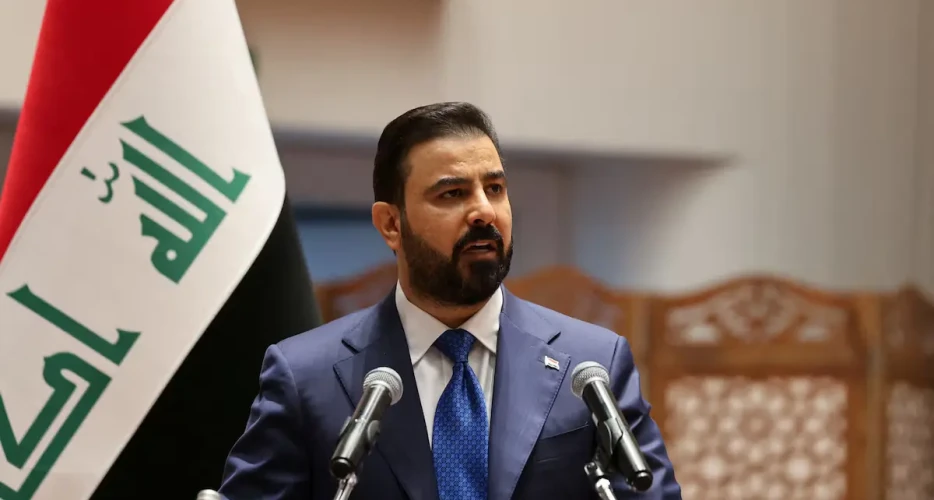
Peregraf- Iraqi Prime Minister Ali Faleh al-Zaidi's expected visit to Washington this week represents a strategic opportunity to transform Iraq's relationship with the United States from a primarily security partnership into a long-term economic partnership, according to the prime minister's financial adviser.
Speaking to the Iraqi News Agency (INA), Mudher Muhammad Salih, financial adviser to the prime minister, said the talks are expected to focus on converting major economic initiatives into practical programs through clear legal and institutional frameworks.
"The anticipated talks between the Iraqi and American sides are expected to focus on transforming major economic initiatives into actionable executive programs," Salih said, adding that the discussions aim to strengthen Iraq's investment environment, encourage long-term partnerships, transfer technology, and support sustainable economic development.
According to Salih, the key economic files expected to be discussed include:
Energy: Development of oil and gas fields, investment in associated gas, expansion of renewable energy, and modernization of electricity production and transmission.
Infrastructure: Roads, bridges, railways, airports, ports, and industrial cities in cooperation with U.S. companies.
Technology: Digital government, cybersecurity, telecommunications, and the digital economy.
Agriculture: Modern irrigation systems, food industries, food security, and agricultural exports.
Education: Partnerships with American universities to improve workforce training and higher education.
Salih said successful agreements in these sectors would help diversify Iraq's sources of income, strengthen the private sector, reduce dependence on oil revenues, and deepen long-term economic cooperation with the United States.
The visit, expected in mid-July, is widely viewed as one of the most important foreign trips of al-Zaidi's premiership and is expected to define the future direction of Baghdad-Washington relations.
Member of Parliament Abu Turab al-Tamimi described the visit as significant, saying Iraq seeks to reorganize its relationship with the United States across security, military, political, and economic sectors, while encouraging greater American investment beyond the oil industry.
Salih said Iraq-U.S. relations remain grounded in the 2008 Strategic Framework Agreement, which provides the legal basis for cooperation in economic, commercial, investment, scientific, educational, and cultural fields.
Security analyst Fadel Abu Ragheef said Iraq's recent efforts to strengthen state control over weapons and improve security could make the country more attractive to foreign investors and receive positive international attention during the Washington visit.
Political analyst Ghaleb al-Daami said improving U.S.-Iran relations and the planned withdrawal of U.S. forces from Iraq could accelerate the transition toward a broader state-to-state partnership focused on economic cooperation rather than military affairs.