International Oil Companies Suspend Kurdistan Region Production as US-Israel War on Iran Escalates
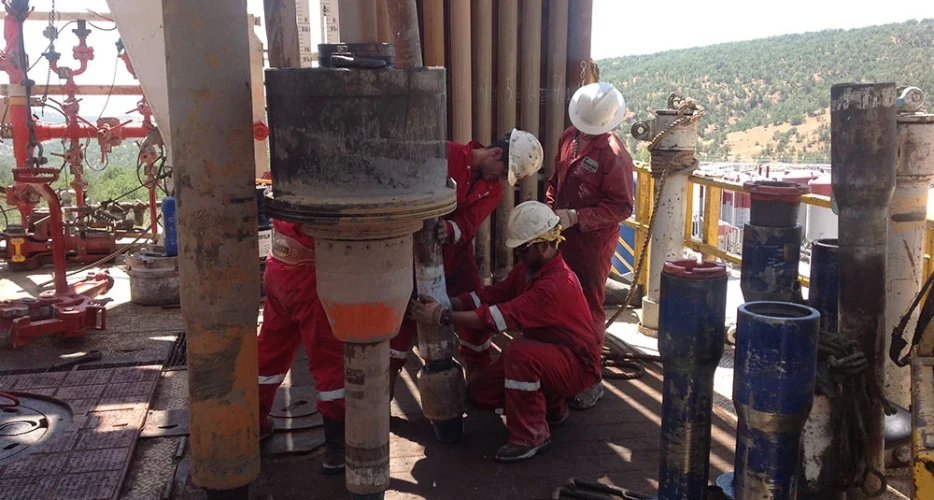
Peregraf - International oil companies operating in the Kurdistan Region of Iraq have paused production, Iraqi officials and regional industry sources told Al-Monitor on condition of anonymity. The sources said the move was driven by escalating attacks tied to the US War on Iran, which resumed after a temporary ceasefire collapsed earlier this month.
The decision follows a sharp deterioration in security across the Kurdistan Region. Early Friday, July 17, the Kurdistan Region Counter-Terrorism Service said coalition forces intercepted and destroyed eight explosive-laden drones over Erbil. Hours earlier, Iranian missiles and drones struck several bases and facilities belonging to the Komala Party of Iranian Kurdistan in the Zargwezela area near Sulaymaniyah.
In an official statement, Komala Party of Iranian Kurdistan's Central Committee said nine of its Peshmerga members were killed in the strike, naming them as Farhad Ghamari, Soroush Nasri, Sina Safari, Yasin Kianpour, Ahmad Mahmoudi, Reza Sadeghi, Kasra Rahmannejad, Siavan Nikikhah, and Zakaria Faqih Hassan-Agha. The party said its bases have been attacked nearly 40 times since fighting it describes as a 39-day war began, and that the strike violated a ceasefire it said had been in place. Iranian authorities had not claimed responsibility as of this writing.
Separately, Peregraf reported that headquarters belonging to Komala of the Toilers of Kurdistan, a distinct Komala faction, were struck by two missiles in the Surdash area at approximately 12:30 p.m. the same day. Amjad Hussein Panahi, a member of the party's leadership, told Peregraf that two of the party's Peshmerga members were wounded in the strike.
Dana Gas announced it had temporarily suspended production at the Khor Mor gas field, citing "credible security threats" amid the regional escalation. Iraq's federal Ministry of Electricity said the suspension could cost the national grid up to 1,400 megawatts, while the Kurdistan Regional Government's Ministry of Electricity separately estimated a larger loss of 2,500 to 3,000 megawatts, figures that have not been reconciled between the two ministries.
Separately, two U.S. service members were killed and a third remains missing after Iranian ballistic missile and drone attacks on U.S. and partner forces in Jordan on July 17, U.S. Central Command confirmed. Four other American service members were medically evacuated to Jordanian hospitals and have since been discharged.
Western-operated oil fields in the Kurdistan Region have previously been targeted by Iran and by Iraqi armed groups. Responsibility for individual attacks, including a March strike that halted production at Texas-based HKN Energy's Sarsang field, has often gone unclaimed or been disputed between Kurdish authorities and Iraq's federal government.
The developments came as Iraqi Prime Minister Ali Falih al-Zaidi, an independent politician backed by the Coordination Framework alliance who has served as prime minister since May 2026, concluded his first official foreign visit, a trip to Washington from July 13 to 18. Iraq signed 48 agreements and memorandums of understanding with U.S. companies, many in the energy sector, including ExxonMobil, Shell, and Halliburton.
The Trump administration has pressed Baghdad to provide stronger security guarantees for American companies operating in Iraq, including in the Kurdistan Region, as a condition tied to continued U.S. investment and troop drawdown planning.