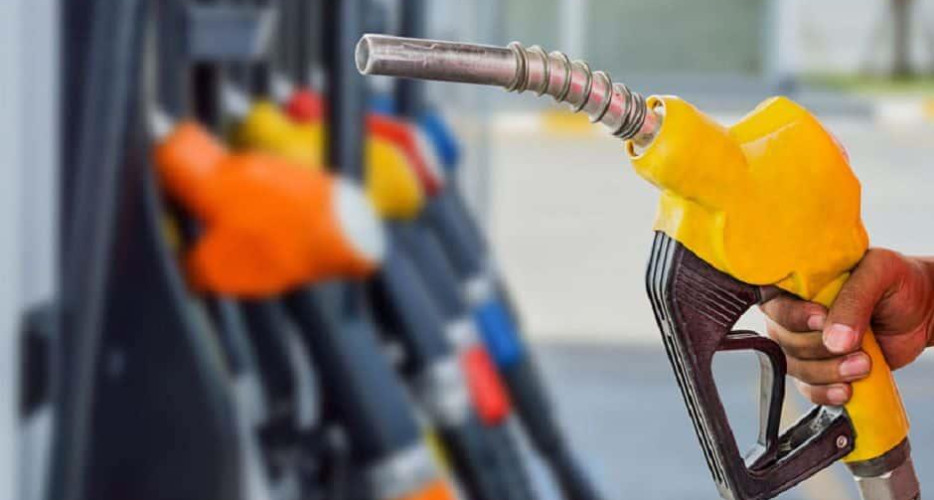
Peregraf — The Kurdistan Region’s gasoline crisis continues despite new government-imposed price ceilings, with fuel shortages worsening in Erbil and Duhok while motorists in Sulaymaniyah and Halabja continue paying prices well above official limits, according to a Peregraf survey.
In Erbil and Duhok, where authorities have enforced the Kurdistan Regional Government’s (KRG) fuel pricing orders, many filling stations have run out of gasoline after refusing to sell at government-mandated prices they say would force them to operate at a loss.
In Sulaymaniyah and Halabja, however, the KRG’s latest pricing decisions have largely gone unenforced. Fuel remains readily available, but motorists are paying substantially more than the official ceilings. Commercially sold regular gasoline is retailing for about 1,250 Iraqi dinars (IQD) per liter, modified-grade (Muhassan) for 1,350 IQD, and Super gasoline for 1,500 IQD.
Government-subsidized regular gasoline remains available at only a limited number of stations, where motorists queue for hours—and in some cases overnight—to purchase fuel at the subsidized price of 750 IQD per liter.
On July 22, the KRG Ministry of Natural Resources expanded its earlier fuel pricing directive by imposing maximum retail prices for all grades of gasoline. The order capped commercially sold regular gasoline at 850 IQD per liter, Muhassan at 1,000 IQD, and Super gasoline at 1,200 IQD, while maintaining the subsidized price of regular gasoline at 750 IQD. The ministry said the order took effect immediately.
The directive was signed by Acting Minister of Natural Resources Kamal Mohammed Saleh and circulated to Prime Minister Masrour Barzani’s office, the Council of Ministers, and relevant government agencies for enforcement.
Despite the new caps, fuel prices in the Kurdistan Region remain significantly higher than in federal Iraq, where regular gasoline sells for 450 IQD per liter under Baghdad’s subsidized pricing system.
The fuel crisis has intensified since Pearl Petroleum, the consortium led by Dana Gas and Crescent Petroleum, suspended production at the Khor Mor gas field in mid-July after repeated drone attacks targeting energy infrastructure. The shutdown reduced natural gas supplies used for electricity generation, worsening power shortages and adding pressure to the region’s energy market.
The gasoline dispute has also reached Iraq’s federal parliament. A seven-member investigative committee was established this month following requests by lawmakers from the Halwest bloc, the Kurdistan Islamic Union, Komal, and the New Generation Movement (NGM). The committee is examining the KRG’s management of the 50,000-barrel-per-day crude allocation, with lawmakers arguing that residents of the Kurdistan Region should receive fuel at the same 450 IQD per liter price available elsewhere in Iraq.
The KRG has not publicly responded to the parliamentary investigation or to opposition allegations that politically connected refineries benefit from the current pricing system.