KRG Moves to Boost Fuel Supply Amid Gasoline Crisis, Seeks Larger Federal Oil Allocation
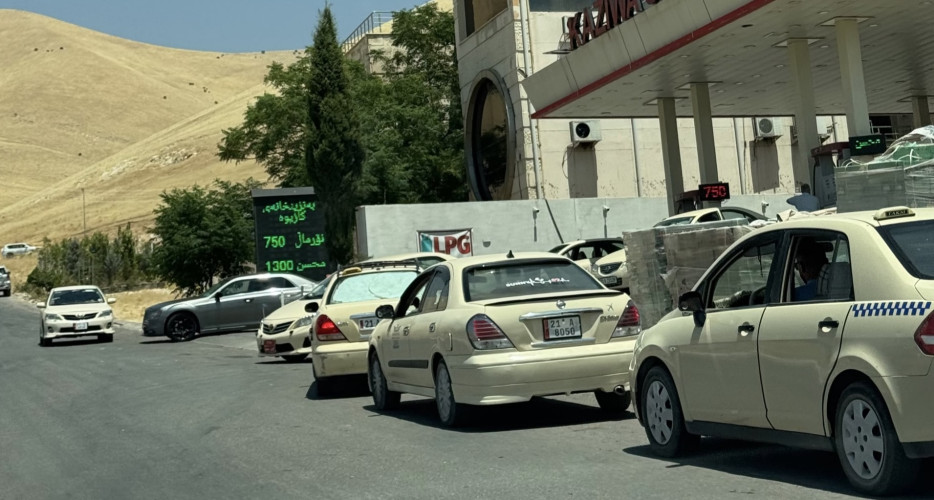
Peregraf — The Kurdistan Regional Government (KRG) on Tuesday announced a series of measures aimed at easing the region’s gasoline shortage, including efforts to secure a larger share of crude oil from Baghdad and increase supplies of subsidized fuel.
The decisions were made during a meeting chaired by Natural Resources Minister Kamal Mohammed with the ministry’s Oil and Minerals Directorate to review gasoline supplies, pricing, and the ongoing fuel shortage.
The ministry said it will intensify efforts to increase the Kurdistan Region’s allocation of crude oil from the Iraqi federal government. It argued that the region currently receives only 50,000 barrels per day, or 39.46% of what it says is its fair share based on its 12.67% share of Iraq’s population, equivalent to 126,700 barrels per day.
The ministry also decided to increase supplies of government-subsidized regular gasoline sold at 750 IQD per liter, strengthen daily monitoring of commercial gasoline prices and quality, intensify inspections across all governorates and independent administrations, and facilitate imports of gasoline and related chemical products.
The announcement follows remarks by KRG Prime Minister Masrour Barzani on Monday, who described Baghdad’s allocation of 50,000 barrels per day for the Kurdistan Region’s domestic fuel needs as “unfair,” saying the region should receive about 126,700 barrels per day based on its population share.
The measures come as the Kurdistan Region continues to face long queues at subsidized filling stations, fuel shortages in parts of Erbil and Duhok, and widespread non-compliance with government price caps in Sulaymaniyah and Halabja.
Despite price ceilings introduced on July 22, a Peregraf survey found commercially sold regular gasoline continues to sell for around 1,250 IQD per liter in Sulaymaniyah and Halabja, while subsidized gasoline remains available only at a limited number of stations, forcing motorists to wait for hours—or overnight—to purchase fuel.
The dispute has also drawn scrutiny in Iraq’s parliament, where a committee is investigating the KRG’s management of its 50,000-barrel-per-day allocation and whether residents of the Kurdistan Region should receive subsidized gasoline at the 450 IQD per liter price available elsewhere in federal Iraq.