Iranian Parliament Speaker Begins Three-Day Iraq Visit Amid Disarmament Deadline, Hormuz Talks
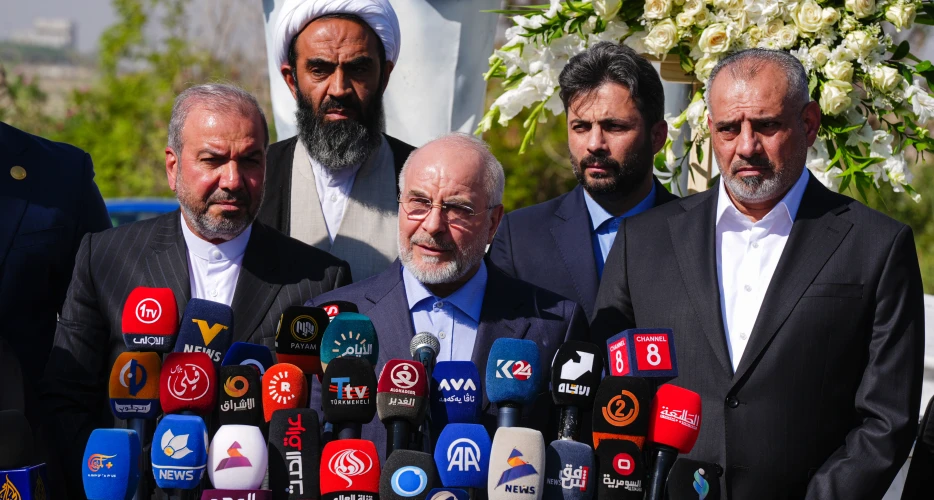
Peregraf - Mohammad Bagher Ghalibaf, Speaker of Iran's parliament, arrived in Baghdad on Wednesday for a three-day official visit, received at the airport by First Deputy Speaker of the Iraqi parliament Adnan al-Fayhan. His itinerary includes stops in Karbala and Najaf before the visit concludes Friday afternoon.
Ghalibaf said the visit aimed to strengthen regional cooperation and deepen security and economic ties among regional states "without any foreign interference." He said he would hold meetings with Iraqi government, parliamentary, political, economic, and cultural figures during the trip.
The visit comes as Iraq faces a Sept. 30 government deadline for armed factions to disarm, a process some of those groups have so far resisted, deepening friction with Baghdad. It also coincides with ongoing talks between Iraq and Iran over allowing Iraqi crude oil exports to pass through the Strait of Hormuz.
Background: Iraq, Iran and the wider regional war
Ghalibaf's trip comes as the US War on Iran, which began Feb. 28, 2026, remains unresolved. A 60-day memorandum of understanding between Washington and Tehran, signed in June and meant to produce a final agreement on Iran's nuclear program and sanctions relief, expired on Aug. 17 without a deal. U.S. President Donald Trump rejected extending the arrangement, called on Iran to surrender, and threatened to strike Oman if it interfered with U.S. operations in the Strait of Hormuz. The U.S. has since reimposed a naval blockade on Iran that Central Command says has redirected, disabled, or boarded dozens of commercial vessels, while a vessel transiting the strait was struck on Aug. 18, the first reported shipping casualty in the area in roughly two weeks.
The war has drawn in neighboring states at various points, including a brief closure of the Strait of Hormuz by Iran, missile and drone strikes on U.S.-allied countries hosting American bases, and rising global oil prices, which had passed 90 dollars a barrel as of mid-August. A previous two-week ceasefire, mediated by Pakistan in April, collapsed after violations by both sides, and the June memorandum's own 60-day negotiating window has now lapsed as well.
Iraq has sought to stay outside the direct fighting while managing pressure from both sides: it hosts U.S. military forces, maintains close economic and religious ties with Iran, and has a direct stake in regional oil markets and Gulf shipping routes. Iraqi officials have simultaneously pursued the Sept. 30 disarmament deadline for domestic armed factions and separate talks with Iran over crude export routes through the Strait of Hormuz, placing Baghdad at the center of overlapping regional pressures as Ghalibaf's visit unfolds.