Peregraf
Two Kurdish migrants from Iranian Kurdistan were among at least four people killed in a series of violent incidents on Saturday, December 14, in Loon-Plage and Wormhout, near Dunkirk in northern France.
According to police sources cited by BFMTV, the other victims included two security guards, underscoring the escalating dangers migrants face in the region.
The first shootings occurred in Loon-Plage between 4:00 p.m. and 4:30 p.m., where the four victims were killed. Later, a fifth possible homicide was reported in Wormhout, allegedly linked to the same suspect. A man who claimed responsibility for the attacks surrendered at the Ghyvelde gendarmerie, stating he was behind the murders at both locations. However, the motive and full circumstances remain unclear. Authorities have launched a judicial investigation to determine the details of these tragic events, with the local prefecture confirming the ongoing inquiry.
The killings have sent shockwaves through the local community and raised concerns among migrant advocates, particularly as the two Kurdish victims were part of a vulnerable group seeking safety in the region. The tragedy underscores the precarious conditions faced by migrants in the area and has prompted renewed calls for enhanced protection and oversight in Dunkirk, a critical crossing point for those attempting to reach Britain.
Dunkirk: A Forest and a Crossing Point for Smugglers
Dunkirk and its surrounding areas have long served as a transit hub for migrants attempting to cross the English Channel. Dense forests and remote locations, such as those near Loon-Plage and Wormhout, have become hideouts for smugglers and staging grounds for migrants hoping to make the perilous journey to Britain. This region, known for its proximity to the coastline, presents both an opportunity and a risk for those seeking a better life across the Channel.
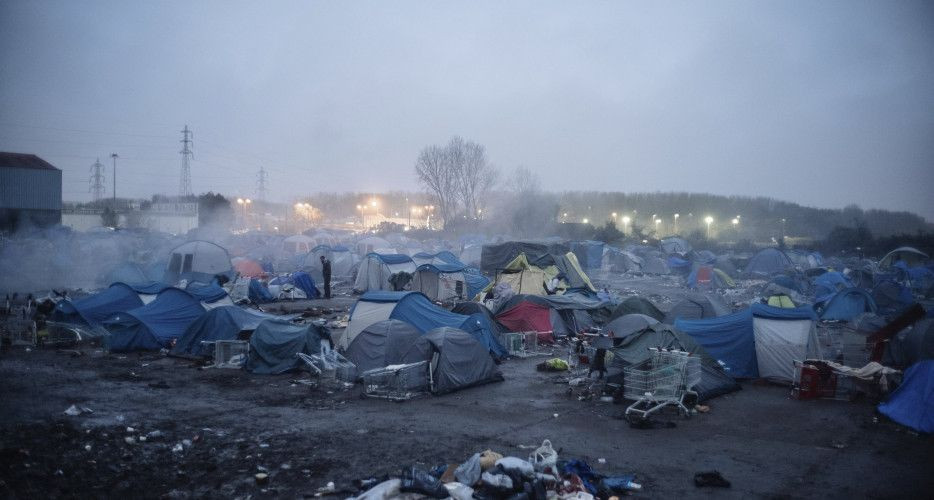
Migrants, often from conflict-ridden regions like Iraqi Kurdistan, Iranian Kurdistan, Afghanistan, and Syria, gather in makeshift camps around Dunkirk. These camps are typically under harsh conditions, with inadequate shelter, food, and medical care. Despite the hardships, many endure these realities in pursuit of what they perceive as greater safety and opportunity in the UK. However, this journey comes with its own set of dangers, including exploitation by smuggling networks, violent territorial disputes, and fatal accidents during crossings.
The forested areas around Dunkirk have also become a hotbed for clandestine activities, including human trafficking and smuggling operations. Smugglers often exploit the desperation of migrants, charging exorbitant fees for a place on overcrowded boats or trucks heading to Britain. These activities not only endanger the lives of migrants but also create tensions within local communities, which sometimes feel overwhelmed by the scale of the crisis.
In recent years, authorities have increased patrols and surveillance to curb smuggling activities, but these measures have done little to address the root causes of migration. Advocates argue that without broader reforms to asylum policies and international cooperation, the region will continue to be a flashpoint for tragedy and human suffering.
The shootings on December 14 highlight the complex and often volatile environment in Dunkirk, where vulnerable individuals seeking safety encounter a mix of hope, exploitation, and violence. For the Kurdish victims and their families, this tragedy is a stark reminder of the human cost of migration—and the urgent need for comprehensive solutions to ensure the safety and dignity of those seeking refuge.