Peregraf
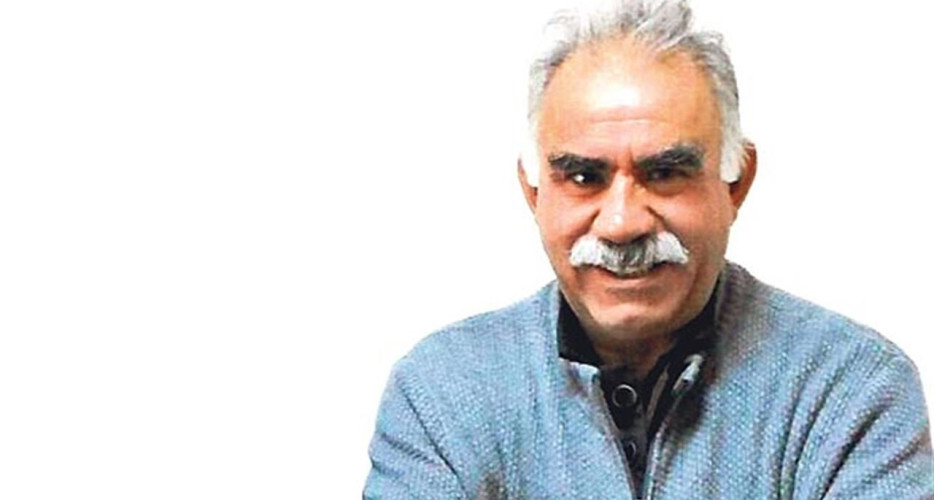
Abdullah Ocalan, the imprisoned Kurdish leader, has called for a renewed peace process in Turkey, stressing the urgent need for Turkish-Kurdish brotherhood and democratic change. His remarks followed a meeting on December 28 with pro-Kurdish lawmakers Sirri Sureyya Onder and Pervin Buldan on Imrali Island.
According to a statement issued by Onder and Buldan, Ocalan, described as being in good health and high spirits, outlined a comprehensive framework for resolving the Kurdish issue and addressing regional instability. Highlighting recent developments in Gaza and Syria, Ocalan emphasized that the Kurdish question, further complicated by foreign interventions, can no longer be delayed.
In his proposals, Ocalan called on all political parties in Turkey to adopt a constructive and inclusive approach, underscoring the critical role of the Turkish parliament in the process. He also expressed his readiness to actively contribute to a new political paradigm, which he believes has the backing of President Recep Tayyip Erdogan and MHP leader Devlet Bahceli.
“The strengthening of Turkish-Kurdish brotherhood is not only a historical responsibility but a decisive need for all nations,” Ocalan said, urging cooperation beyond narrow political calculations.
The delegation confirmed that Ocalan’s views would be shared with the Turkish state and political parties. His vision, they noted, aims to guide Turkey toward an era of peace, democracy, and regional harmony.
This visit marks a significant moment, as Onder and Buldan previously met Ocalan in 2014 during a peace process between Ankara and the Kurdistan Workers’ Party (PKK). That initiative collapsed, leading to years of heightened tensions and violence.
Ocalan, imprisoned on Imrali Island since 1999, has had minimal contact with the outside world. His last family visit occurred in October 2024, when his nephew, DEM Party lawmaker Omer Ocalan, met him face-to-face for the first time since March 2020. During the meeting, the PKK leader reportedly assured he was in “good health” and conveyed “greetings to everyone.” The last known communication with Ocalan before this was a brief phone call with his elder brother, Mehmet Ocalan, in March 2021.
In a surprising political shift, the Turkish government has recently softened its stance toward Ocalan. This followed a proposal by Devlet Bahceli, leader of the far-right Nationalist Movement Party (MHP) and an ally of the ruling Justice and Development Party (AKP). Bahceli suggested that Ocalan address the Turkish parliament to announce the PKK’s dissolution.
The PKK, founded in 1978, initially sought an independent Kurdish state but now advocates for autonomy. The group remains designated as a terrorist organization by Turkey, the United States, and the European Union.
The DEM Party, the successor to the Peoples’ Democratic Party (HDP), played a crucial role in negotiating peace talks with Ocalan a decade ago. That period is remembered as a fleeting but hopeful chapter in Turkey’s modern history, with Ocalan once again urging for renewed dialogue and cooperation to achieve lasting peace.