Barzani Urges Swift Formation of Kurdistan's 10th Cabinet Amidst KDP-PUK Negotiations
Peregraf
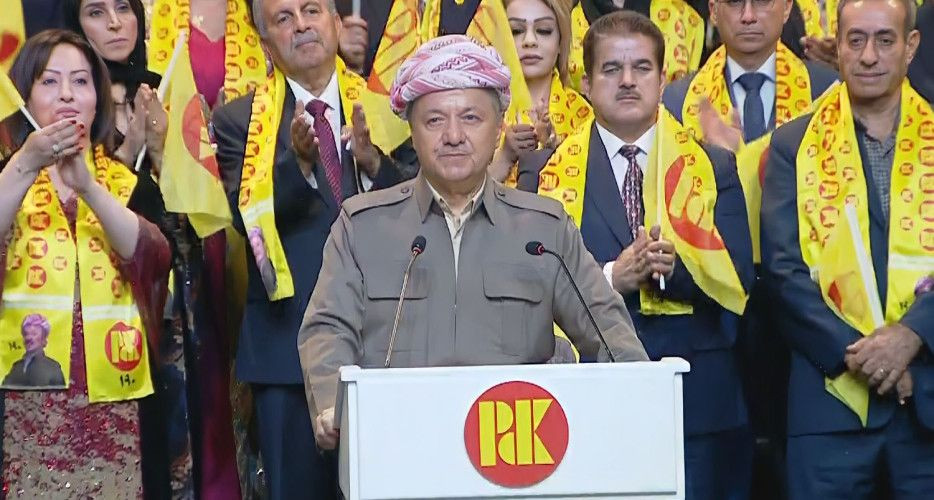
In a statement marking the upcoming New Year, Masoud Barzani, leader of the Kurdistan Democratic Party (KDP), expressed his pleasure over the successful conduct of the Kurdistan parliamentary elections held last October. Barzani emphasized that the Kurdish people had clearly conveyed their message and will through the election process.
He called for the immediate formation of the tenth cabinet of the Kurdistan Regional Government (KRG) to address the voices and demands of the Kurdish people. Barzani stressed the importance of swiftly implementing the government's plans and programs to serve the Kurdish population effectively.
Following the holiday, the joint committee formed by the KDP and the Patriotic Union of Kurdistan (PUK) will convene to draft a comprehensive governance program for the coming years. The committee aims to resolve longstanding disagreements and lay the groundwork for a more stable and functional administration.
Darbaz Kosrat Rasul, a senior member of the PUK Political Bureau, highlighted the need for a genuine partnership between the two dominant parties. Speaking on December 25, Rasul said, “In the past, when there was real partnership among political forces, Kurdistan enjoyed greater peace. We aim to be true partners in governance, not merely participants.”
Rasul also dismissed speculation about the allocation of government posts, stating, “Neither we nor the KDP have discussed post allocations. There are more critical issues to address, including a comprehensive political agreement to prevent a repetition of past crises.”
Despite holding the first parliamentary session on December 2, the Kurdistan Parliament remains stalled due to disagreements, particularly between the KDP and PUK, over electing parliamentary leadership. These unresolved issues underscore the importance of the joint committee's work in fostering unity.
In the recent elections, the KDP secured 39 seats, making it the largest party, while the PUK obtained 23 seats. Minority representatives and smaller parties hold 38 seats collectively. Since a majority requires 51 seats, coalition-building is essential for the formation of a stable government.
The KDP dominates in Erbil and Duhok, while the PUK leads in Sulaymaniyah and Halabja, reflecting the political and territorial divides within the region. Historically, coalitions between the two parties have been instrumental in ensuring stability. Renewing this partnership remains crucial to addressing the challenges facing the Kurdistan Region.
As the KDP and PUK prepare for their first joint committee meeting after the New Year, the focus will be on creating a shared vision for governance and bridging the divides that have hindered progress. The outcome of these discussions will likely shape the political and administrative landscape of the Kurdistan Region in the coming years.