Peregraf
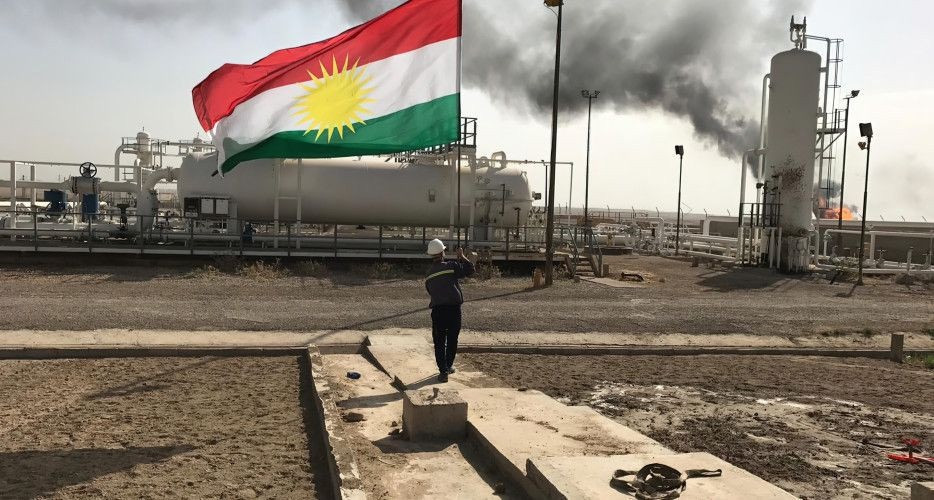
The United States has renewed its call for the Kurdistan Regional Government (KRG) and Iraq’s federal government in Baghdad to resolve their budgetary disputes, emphasizing the importance of a durable agreement to sustain oil production in the Kurdistan Region of Iraq (KRI).
Speaking during a press briefing, US State Department spokesperson Matthew Miller highlighted Washington’s ongoing engagement with both sides. “We have engaged the Government of Iraq and the Kurdistan Regional Government to reach a durable agreement that would facilitate sustained oil production in the Kurdistan Region,” Miller stated. “We have seen the review of the budget amendment this week and urge its speedy adoption.”
The prolonged dispute between Erbil and Baghdad has significantly impacted oil exports and revenue-sharing arrangements, with the KRG grappling with financial constraints due to delays in budget transfers. The US appeal intensifies pressure on both parties to reach an agreement that could stabilize the energy sector in the region.
Support for KRG Cabinet Formation
Addressing the political stalemate over the formation of a new KRG cabinet, Miller urged political parties to act swiftly and inclusively. “We encourage political parties to support an inclusive and timely KRG formation. The seating of a new government will allow the KRG to advance human rights, promote economic development, and enhance the resiliency of the Iraqi Kurdistan Region as part of a secure, stable, and sovereign Iraq,” he said.
The delays in forming a new cabinet have drawn criticism, with political disagreements impeding governance and much-needed reforms. A functioning cabinet is seen as essential to addressing the region’s economic and administrative challenges.
Oil Disputes and Economic Uncertainty
Oil exports from the Kurdistan Region have been suspended since March 2023 following a ruling by the International Court of Arbitration in Paris. The court sided with Iraq in a longstanding dispute with Turkey, halting the flow of oil through the Ceyhan pipeline.
The ongoing disagreement also involves financial terms with international oil companies (IOCs) operating in the region. Baghdad has pushed for renegotiation of payment terms and replacing the KRG’s production-sharing contracts with service contracts, a move met with resistance from IOCs.
Efforts to amend Iraq’s budget law are viewed as a critical step in resolving these disputes. The outcome of these legislative and diplomatic efforts in the coming weeks will determine whether stability can return to Iraq’s oil sector and whether trust can be restored among key stakeholders.
This US call underscores the urgency of collaboration between all parties to mitigate the economic fallout of the prolonged suspension and secure a sustainable resolution for the benefit of the entire country.