Iraqi Shiite Legislators Dismiss Kurdish Oil Budget Amendment, Heightening Tensions
Peregraf
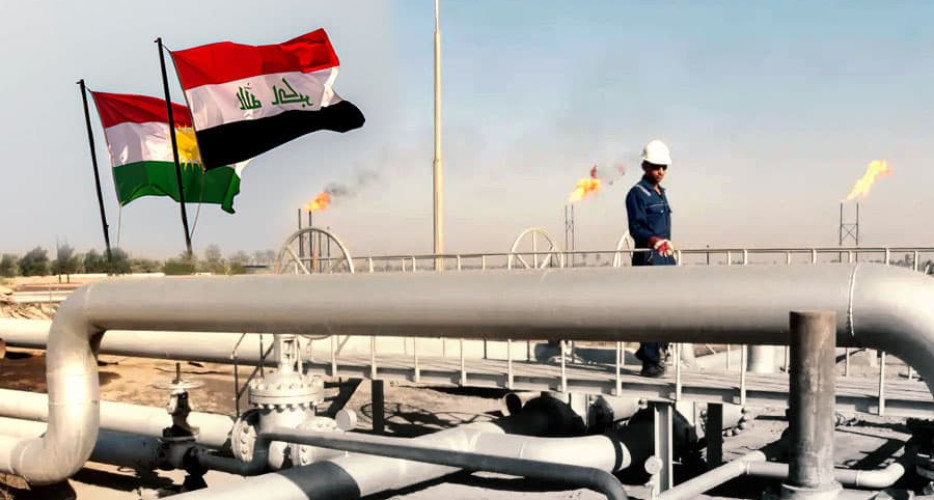
On January 19, 2025, the Finance Committee of the Iraqi Parliament reviewed and forwarded an amendment to the budget law regarding oil exports from the Kurdistan Region for parliamentary voting. Nonetheless, Shiite legislators present at the session rejected the amendment, which suggested a payment of $16 per barrel for oil production and transportation in the Kurdistan Region.
Soran Omar, a Kurdish Member of Parliament, informed Peregraf: “The legal attendance requirement for parliamentarians to vote on the budget law concerning Kurdistan Region oil was not met, resulting in the amendment not being voted on. Shiite lawmakers argue that $16 per barrel for production in the Kurdistan Region is excessive.” Omar cautioned that without the amendment's approval, the Kurdistan Region might resort to continuing oil sales through smuggling via tankers, thereby depriving its citizens of essential revenue.
The Disputed Amendment
The amendment proposed a provisional payment of $16 per barrel for oil production and transportation expenses in the Kurdistan Region. This arrangement was intended to remain effective until an independent expert company, to be appointed within 60 days by mutual consent between Baghdad and Erbil, could deliver a fair cost assessment.
The proposal sought to address a protracted dispute over production costs. While Baghdad had previously allocated $8 per barrel—comparable to Iraq’s southern oil fields—the Kurdistan Regional Government (KRG) insisted on $26, citing elevated extraction costs. The two parties reached a compromise at $16, and the Iraqi Council of Ministers approved the amendment before sending it to parliament.
However, the refusal of Shiite lawmakers to endorse the measure has rekindled tensions between the Iraqi federal government and the KRG.
Oil Export Stalemate
The rejection of the proposed amendment occurs amidst the KRG's struggle with financial instability, further exacerbated by persistent delays in budget allocations from Baghdad. According to the federal budget law for the years 2023–2025, the Kurdistan Region is required to export 400,000 barrels of oil daily through the Iraqi Oil Marketing Company (SOMO) or supply an equivalent quantity for domestic consumption. In exchange, Baghdad is responsible for covering the costs associated with production and transportation.
Nevertheless, oil exports from the Kurdistan Region have been halted since March 2023, following a decision by the International Court of Arbitration in Paris. The court ruled in favor of Iraq in a dispute with Turkey, resulting in the cessation of oil flow through the Ceyhan pipeline.
Wider Consequences
This ongoing conflict has strained the relationship between the KRG and the international oil companies (IOCs) operating within the Kurdistan region. Baghdad has sought to replace the KRG’s production-sharing agreements with service contracts, a change that IOCs have opposed.
The financial impasse has placed the Kurdistan Region in a vulnerable situation, with essential oil revenues suspended and no resolution in sight. Kurdish lawmakers have cautioned that the inability to pass the amendment will worsen the Kurdistan region’s economic crisis and further deepen the rift between Erbil and Baghdad.