Peregraf
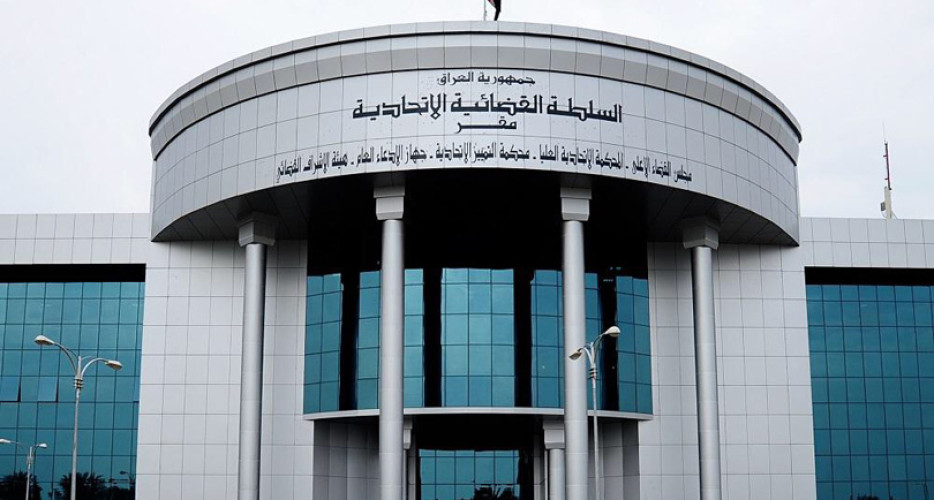
Iraq’s Federal Supreme Court has temporarily halted the implementation of three recently passed laws concerning land restitution, general amnesty, and personal status, following legal challenges, state media reported on Tuesday.
The Iraqi parliament had approved the laws on January 21 after months of intense political wrangling. One of the bills seeks to return lands confiscated under Saddam Hussein’s Baathist regime to their original Kurdish and Turkmen owners in Kirkuk and other disputed areas. Another aims to modify the definition of affiliation with terrorist organizations under the 2016 general amnesty law, a key demand of Sunni lawmakers who argue that many Sunnis have been wrongfully imprisoned since 2003. The third, an amendment to the 1959 Personal Status Law, would allow religious authorities to oversee matters of marriage, divorce, and inheritance, a move championed by Shiite legislators but strongly opposed by activists and women’s rights advocates.
The Supreme Court has not provided an official explanation for its ruling, but Iraqi media reports suggest that a Shiite lawmaker challenged the amendments, prompting the court to intervene.
The suspension has deepened political uncertainty, with strong reactions from various factions. The land restitution bill is widely supported by Kurdish and Turkmen groups, while the general amnesty law is a priority for Sunni politicians. Meanwhile, the personal status amendment has triggered widespread public outcry, with over 130 lawmakers signing a petition against it, fearing it could weaken women’s rights and enable child marriage.
The suspension has sparked intense reactions. Kurdish and Turkmen lawmakers insist that the land restitution law corrects historical injustices, while Sunni leaders view the general amnesty reform as a crucial step toward fairer legal treatment of their constituents. Meanwhile, opponents of the personal status law amendment warn that it could pave the way for child marriage and roll back women’s rights protections.
With the court now reviewing the case, the fate of these laws remains uncertain, potentially reigniting political tensions across Iraq.