Iraqi Federal Supreme Court Engages in Dispute with Supreme Judicial Council Regarding Law Suspensions
Peregraf
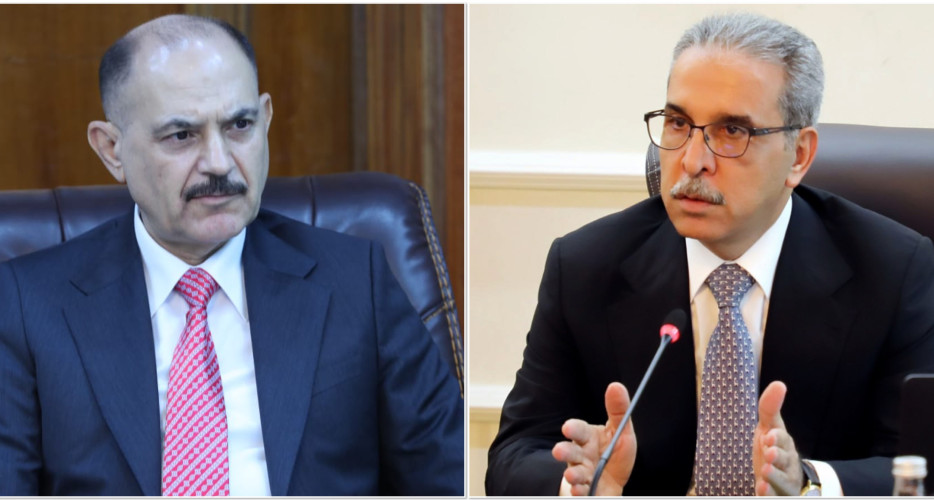
The Federal Supreme Court of Iraq has reiterated that its decisions, including those that suspend the enforcement of laws, are “final and binding on all authorities,” referencing Article 94 of the 2005 Iraqi Constitution. This assertion follows a challenge from the Iraqi Supreme Judicial Council against the Federal Court’s ruling to suspend three laws recently enacted by the Iraqi Parliament.
In a forceful statement, the Federal Supreme Court underscored that “the constitutional text encompasses all judgments and decisions issued by the Federal Court, including sovereign decrees.” In response, the Supreme Judicial Council contended that “the Federal Court's order to suspend the laws is provisional and lacks binding authority.” The Council emphasized that laws enacted by Parliament must be published in the Official Gazette prior to any legal challenges regarding their constitutionality, as outlined in Articles 93/First and 129 of the Constitution.
The Federal Court's suspension of the Personal Status Law Amendment, the Land Restitution Law, and the Second Amendment to the General Amnesty Law has ignited political turmoil and public demonstrations. Sunni-majority provinces, including Nineveh, Salahuddin, and Anbar, have experienced significant government office closures in protest against the suspension of the amnesty law, which many Sunni leaders assert is essential for rectifying wrongful imprisonments.
Political and Legal Divisions Widen
The ruling from the Federal Supreme Court, announced on Tuesday, has provoked significant backlash among Sunni political figures. Official government operations have been halted in the Sunni-majority provinces of Nineveh, Salahuddin, and Anbar, with government offices closing in response to the suspension of the General Amnesty Law.
Former Parliament Speaker and leader of the Progress Party, Mohammed al-Halbousi, has urged citizens to engage in widespread protests against the court's decision. He stated, “We oppose any efforts to politicize the judiciary and obstruct legislation that guarantees justice for the innocent.”
The suspended laws have emerged as a contentious issue amid Iraq’s ongoing power struggles:
- The Land Restitution Law is designed to return properties seized during Saddam Hussein’s regime to their rightful Kurdish and Turkmen owners.
- The General Amnesty Law Amendment aims to redefine what constitutes “affiliation” with terrorist organizations, a change that Sunni leaders assert is essential for addressing historical grievances.
- The Personal Status Law Amendment would enhance the authority of religious institutions over matters of marriage, divorce, and inheritance, which has sparked backlash from activists and advocates for women's rights.
Reports indicate that former Prime Minister Nouri al-Maliki and his associates may have exerted influence over the Federal Supreme Court’s ruling, particularly concerning the amnesty law, which they contend could facilitate the release of individuals linked to extremist factions.
As legal disputes persist, the political and judicial climate in Iraq remains fraught with tension, with rival factions interpreting the Federal Court’s decisions as either a protection of constitutional integrity or a mechanism for political manipulation. The upcoming weeks will be critical in determining whether the suspended laws will continue to be obstructed or will be reinstated due to political pressures.