Peregraf
Deputy Prime Minister Qubad Talabani has articulated that the Patriotic Union of Kurdistan (PUK) aspires to be a genuine collaborator in the forthcoming cabinet of the Kurdistan Regional Government (KRG), rather than simply being a participant in its governance. He expressed concern regarding the existing power structure, remarking, "We cannot be involved in decisions regarding cuts and reductions while the favorable decisions are reserved for the Kurdistan Democratic Party (KDP)."
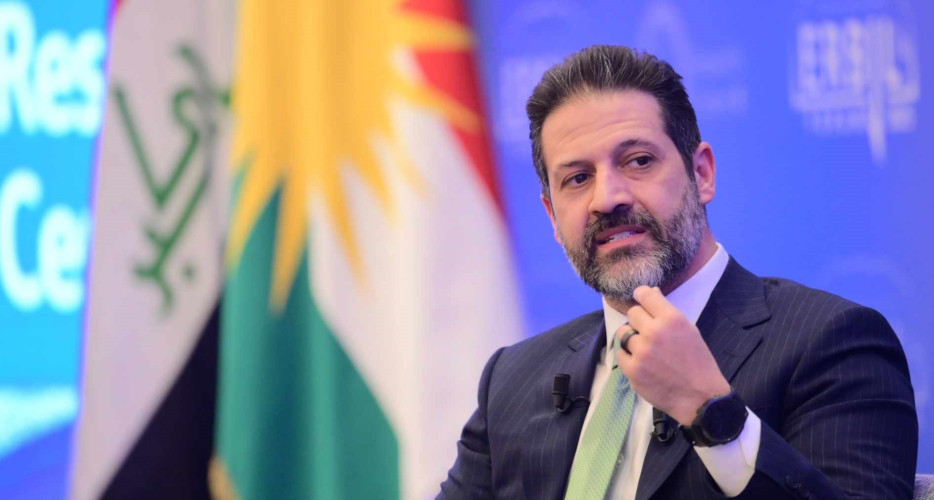
During the second day of the Erbil Forum 2025, Talabani highlighted that negotiations between the PUK and KDP aimed at establishing the 10th cabinet have made notable advancements. "The PUK seeks to engage in a more substantial and impactful role within the government," he emphasized, pointing out the party's call for a framework that guarantees the government functions on the basis of authentic partnership.
"What framework will ensure that a partnership government is established and that decisions on strategic matters are made collaboratively? If one party fails to adhere to this, there must be consequences," Talabani asserted.
As negotiations continue, the two leading parties in Kurdistan are under growing pressure to finalize an agreement and expedite the formation of the new KRG cabinet. The goal is to secure political stability and create a governance framework that prevents unilateral decision-making.
A joint committee, formed to design an effective governance and management structure, has been working to bridge political differences. Once their strategy is finalized, it will be presented to the High Negotiating Committee for approval, paving the way for the formation of the new cabinet.
The KDP and PUK, the dominant political forces in the Kurdistan Region, have been locked in negotiations since the Kurdistan Parliament's first session on December 2. The most recent elections saw the KDP securing 39 seats, making it the largest party, while the PUK won 23 seats. Minority representatives and smaller parties collectively hold 38 seats, making coalition-building essential to reaching the 51-seat majority required to form a government.
The KDP remains dominant in Erbil and Duhok, while the PUK holds significant influence in Sulaymaniyah and Halabja. Their cooperation has historically played a vital role in maintaining political stability in the region.
As leadership delegations gear up for further discussions, the outcome of their negotiations will be crucial in shaping the political and administrative future of Kurdistan.