Peregraf
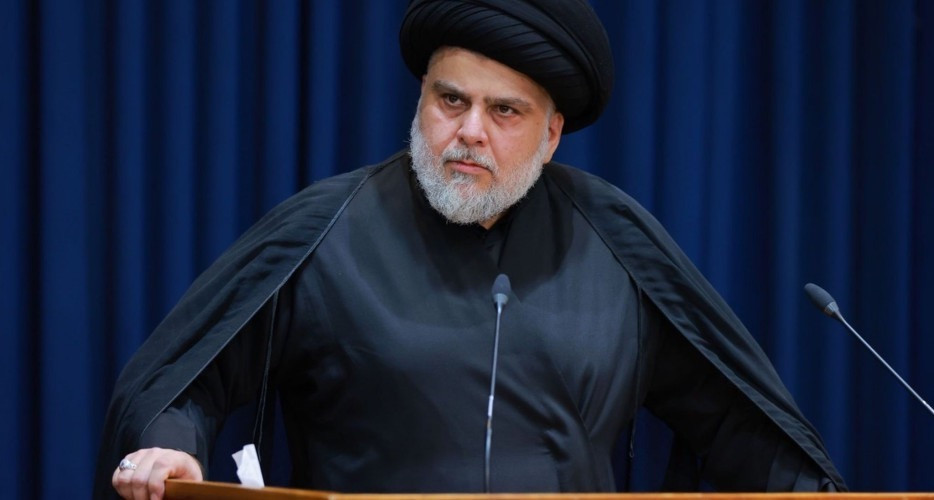
Shiite cleric and opposition leader Muqtada al-Sadr has reaffirmed his decision to boycott Iraq’s upcoming parliamentary elections scheduled for November 11, 2025, citing ongoing corruption and political dysfunction.
In a new message, Sadr reiterated that he and his movement will not participate in the electoral process unless militias are dissolved and their weapons handed over to the state. He emphasized that accountability for corrupt officials is essential to restoring truth and justice in the country.
The announcement follows days of speculation over Sadr’s possible return to the political arena, which had stirred debate across Iraq. Despite mounting pressure and public discourse on his potential comeback, Sadr has stood firm on his refusal to engage in elections that, in his view, serve only sectarian and party interests rather than the people.
“Let it be known that I will not engage in the upcoming elections as long as corruption prevails, with no regard for anything other than sectarian, ethnic, and party interests, while being detached from the people’s concerns and the calamities affecting the region,” Sadr said in a previously published letter from February 2025.
Sadr’s movement won a plurality in the October 2021 elections with 73 seats but failed to form a government. Despite efforts to build a coalition with Speaker Mohammed al-Halbusi’s bloc and the Kurdistan Democratic Party (KDP), internal Shiite rivalries—particularly with factions close to Iran and led by Nuri al-Maliki—derailed the process, leading to armed clashes in Baghdad’s Green Zone.
Following the unrest, Sadr announced his withdrawal from politics, and all members of his bloc resigned from parliament. His latest statement suggests he remains committed to staying out of formal political life unless fundamental changes occur in Iraq’s governance and security landscape.