Iraqi Federal Court Dismisses Lawsuits Challenging $110 Billion KRG Oil and Gas Deals
Peregraf
The Iraqi Federal Supreme Court on Saturday dismissed two high-profile lawsuits filed against the Kurdistan Regional Government (KRG) and several U.S.-based energy companies over newly signed oil and gas contracts worth more than $110 billion.
According to the Federal Supreme Court’s website, the lawsuits filed by Iraqi lawmakers Raed Al-Maliki and Bassem Gharibawi were both rejected, though the court did not immediately provide detailed reasoning for the rulings. Al-Maliki’s case was dismissed with a "cancellation ruling, while Gharibawi’s was dismissed with a "rejection decision.
The lawmakers filed the case on May 28, demanding the cancellation of two massive production-sharing contracts (PSCs) the KRG signed just days earlier with HKN/Onex Group—operating under Miran Energy—and Western Zagros. The deals, which bypassed Baghdad’s approval, have reignited a long-running constitutional and political dispute over control of Iraq’s natural resources.
"We have asked the court to issue a decision declaring the contracts of the Kurdistan Regional Government invalid, MP Maliki said in a press conference announcing the legal move earlier this year.
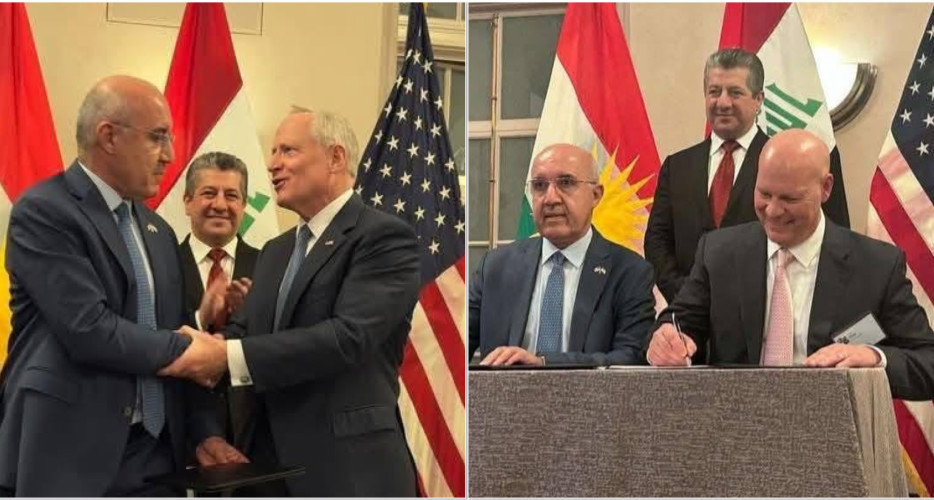
The agreements were signed on May 19 in Washington, D.C., under the supervision of KRG Prime Minister Masrour Barzani, who hailed the deals as a "transformative step toward energy security and regional development. "These billion-dollar agreements prove the Kurdistan Region’s commitment to peace and economic development, Barzani said during the signing ceremony.
The contracts involve the development of the Miran and Topkhana fields, which hold an estimated 13 trillion cubic feet of natural gas and 9 million barrels of oil. KRG officials say the projects could begin producing 50 to 70 million cubic feet of gas per day within 18 to 20 months—enough to ensure 24-hour domestic electricity and export more than 1,000 megawatts of surplus power to Baghdad and other provinces.
The federal government, however, has condemned the deals as unconstitutional, citing a 2022 Supreme Court ruling that annulled the KRG’s 2007 Oil and Gas Law and required all energy contracts to be coordinated through the Ministry of Oil in Baghdad.
Acting KRG Minister of Natural Resources Kamal Mohammed dismissed those objections, saying: "We have not consulted the Iraqi Oil Ministry, and we are not waiting for Baghdad to agree or not.
The court decision comes amid a continued failure to pass a long-anticipated federal oil and gas law that could clarify the roles and rights of the federal and regional governments. Iraqi President Abdul Latif Rashid, speaking at the Delphi Forum in Sulaymaniyah on the same day the contracts were signed, renewed his call for a national legal framework to govern energy resources.
Despite Baghdad's opposition, the U.S. State Department welcomed the contracts. "We are pleased to announce the signing of contracts with U.S. companies and the expansion of trade relations between the United States and the Kurdistan Region, the Department’s Middle East Office said in a statement posted on X.
The decision to dismiss the lawsuits raises pressing questions for Iraq’s future energy strategy. While the federal government continues to reject the legitimacy of the deals, it may soon rely on the gas they produce to alleviate chronic electricity shortages across the country.
The ruling could mark a turning point in the decades-long struggle over natural resource control in Iraq—and set a precedent for future dealings between Erbil and Baghdad.