Iraq–Kurdistan Oil Dispute Deepens Amid Regional War as KRG Refuses to Restart Pipeline; Lawmakers Warn of 'Blackmail'
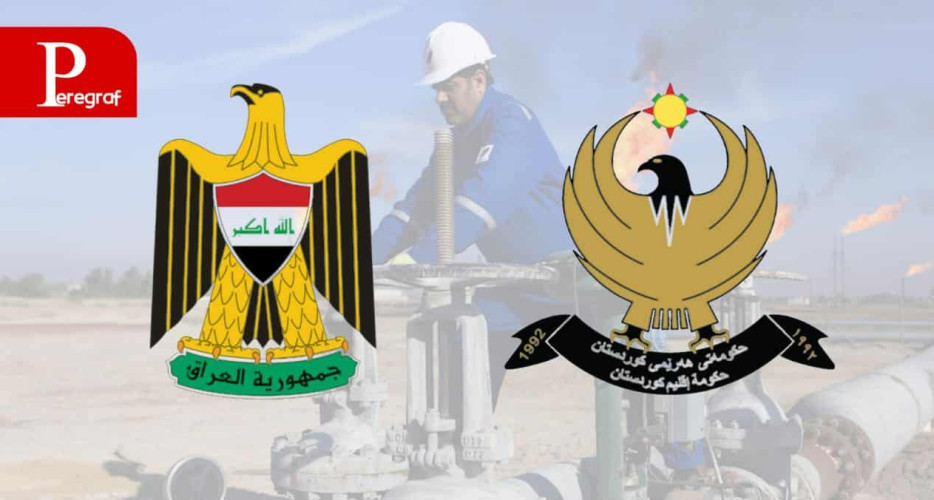
Peregraf— Iraq is seeking to restart exports of roughly 300,000 barrels of oil per day through the northern pipeline to Turkey, but Kurdish authorities have refused to resume shipments, setting off a political dispute at a moment of growing regional turmoil and disruptions to shipping through the Strait of Hormuz. Iraqi lawmakers warn the standoff could carry serious economic and strategic consequences if it continues.
The pipeline linking northern Iraq to the Turkish port of Ceyhan has long served as a key export route for crude produced both in federal Iraqi fields and in the Kurdistan Region. Before exports were halted, the line carried significant volumes of oil toward global markets and remains capable of transporting up to 900,000 barrels per day.
Baghdad says it is ready to immediately resume shipments of about 300,000 barrels per day through the pipeline, in addition to roughly 200,000 barrels per day previously exported from fields in the Kurdistan Region. But federal officials say Kurdish authorities have refused to restart exports unless a series of conditions are addressed.
The dispute has gained urgency as regional conflict threatens Iraq's main oil lifeline in the south. Shipping disruptions linked to the ongoing U.S.–Israel war on Iran, now in its seventeenth day, have raised concerns about the security of maritime traffic through the Strait of Hormuz — the narrow waterway through which most of Iraq's southern oil exports pass.
Iraqi officials say reopening the northern pipeline could help offset potential losses if shipments from southern terminals are interrupted.
The standoff has now moved to Iraq's Parliament, which is scheduled to host a high-level meeting on Tuesday, March 17, bringing together senior federal and Kurdish officials to discuss procedures for restarting exports.
Among those expected to attend are Iraq's deputy prime minister and oil minister, the Kurdistan Regional Government's minister of natural resources, senior undersecretaries from the Oil Ministry, and the head of the State Organization for Marketing of Oil (SOMO).
The meeting is intended to address the technical and legal arrangements required to resume exports through the Ceyhan pipeline and to clarify the responsibilities of each side.
Some Iraqi lawmakers have reacted sharply to the Kurdish government's position.
Adnan Faihan al-Dulaimi, first deputy speaker of Iraq's Council of Representatives, warned that the situation could set a dangerous precedent for federal authority over national resources.
"The Erbil government head's decision to prevent Iraqi oil exports via the Ceyhan line except upon approval of preconditions is a grave precedent and sparks legitimate public anxiety," al-Dulaimi said in a statement.
He urged the federal government to approach strategic projects involving the Kurdistan Region with caution, warning that Iraq must avoid becoming vulnerable to what he described as potential political pressure.
Al-Dulaimi also suggested reconsidering the route of one of Iraq's most ambitious infrastructure initiatives, the Development Road project — a proposed trade corridor valued at more than $18 billion that aims to link the Persian Gulf with Europe through Iraq.
"It is necessary to redesign the Development Road away from Erbil's influence to guarantee the federal government remains free from future political or economic blackmail," he said.
The remarks reflect the widening political dimension of a dispute that has long strained relations between Baghdad and the autonomous Kurdish region.
Lawmakers aligned with Prime Minister Mohammed Shia' al-Sudani have also criticized the Kurdish government's stance.
The parliamentary Construction and Development Bloc, which supports the prime minister, said a statement issued by the Kurdistan Region's Ministry of Natural Resources represented what it described as an irresponsible position during a period of exceptional regional instability.
"At a time when the region is undergoing highly complex circumstances, the Iraqi government is making tireless efforts to unify national ranks and mitigate the repercussions of ongoing regional wars to ensure the country's security and stability," the bloc said in a statement.
The group emphasized that Iraq's constitution grants the federal government authority over oil export policy. Article 111 states that oil and gas resources belong to all Iraqi citizens, while Article 110 grants the central government the authority to formulate financial policy.
The bloc also defended Baghdad's push to implement the ASYCUDA customs system across Iraq's border crossings, including those in the Kurdistan Region. Officials say the system is intended to increase transparency, prevent smuggling and corruption, and strengthen oversight of national revenues.
The statement called on Kurdish authorities to reconsider their position and adhere to federal decisions in order to safeguard Iraq's unity and sovereignty.
Officials in the Kurdistan Regional Government, however, rejected Baghdad's account of the dispute.
In a statement issued Sunday, the Kurdistan Region's Ministry of Natural Resources said the Iraqi Oil Ministry had misrepresented the facts and failed to address broader economic and security challenges affecting the region.
"The Iraqi statement fails to address all dimensions of the issue," the ministry said. "It has distorted the facts and attempted to blame the Kurdistan Region to mislead public opinion."
Kurdish officials accused Baghdad of imposing what they described as an economic blockade since January by restricting the flow of U.S. dollars to traders in the Kurdistan Region under the pretext of implementing the ASYCUDA system.
According to the Kurdish statement, the restrictions have halted commercial activity in parts of the region and were introduced without giving authorities in Erbil sufficient time to adapt.
The ministry also pointed to repeated attacks on the Kurdistan Region's energy infrastructure in recent months. Oil and gas fields, along with refineries, have been targeted by drone strikes and other attacks that Kurdish officials described as terrorist assaults.
Those attacks have disrupted production and prevented petroleum products from being exported, the ministry said.
Kurdish officials also criticized the federal government for failing to prevent the attacks, alleging that some of the armed groups responsible receive funding, salaries, and weapons from authorities connected to Baghdad.
At the same time, the ministry noted that civil servants in the Kurdistan Region continue to face delays in receiving their salaries, while groups accused of carrying out the attacks allegedly continue to receive financial support.
Despite the tensions, the Kurdish government said it remains open to negotiations and called for immediate technical discussions between experts from both sides to resolve the dispute.
"We reiterate once again that we are ready for expert teams to meet immediately to discuss these points of contention and reach a swift conclusion that benefits all of Iraq," the ministry said.
Economists warn that if the dispute persists while southern export routes remain vulnerable to disruptions in the Strait of Hormuz, the consequences could quickly affect Iraq's finances.
Mudher Mohammed Saleh, financial adviser to Prime Minister al-Sudani, said Iraq may eventually need to resort to domestic borrowing to pay public sector salaries and meet foreign financial obligations if oil exports are significantly disrupted.
With tensions rising and Iraq's economy heavily dependent on oil revenues, Tuesday's parliamentary meeting may determine whether Baghdad and Erbil can reach a compromise — or whether the dispute will deepen at a moment when the country faces growing economic and geopolitical pressure.